







What's Happening?
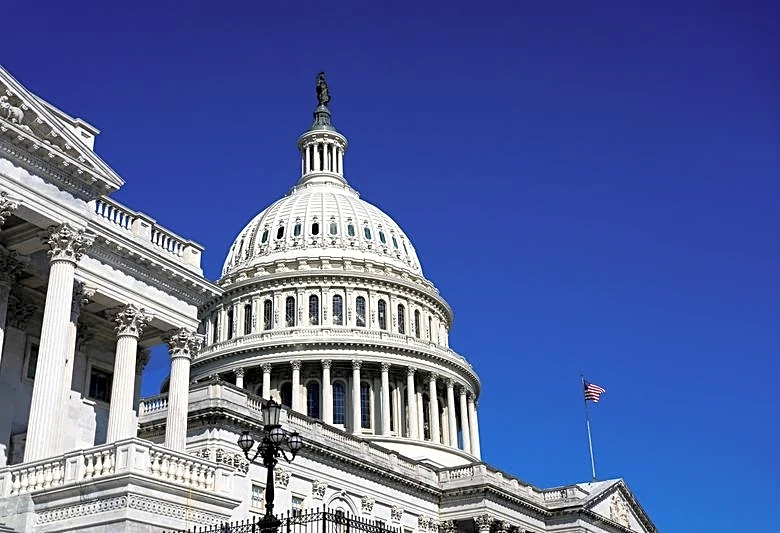
U.S. Representative Gabe Vasquez (NM-02) has urged the House Financial Services Committee to conduct a hearing regarding the influence of institutional investors on Manufactured Housing Communities (MHCs) nationwide. Alongside five other members, Congressman
Vasquez sent a letter to Chairman French Hill (R-AR) and Ranking Member Maxine Waters (D-CA), highlighting reports from MHC residents. These residents have described experiencing significant rent increases, neglect of utilities, and general abuse after private equity firms acquired their communities. Vasquez emphasized that while Congress recently passed a bipartisan housing bill addressing institutional investors' role in single-family homes, it did not include similar protections for manufactured housing. He noted that local leaders and constituents in New Mexico have reported predatory pricing and maintenance neglect in mobile and manufactured home communities owned by corporate landlords and private equity companies. Instances include elderly residents being without natural gas and hot water for extended periods. In New Mexico, one in six homes are mobile homes, and institutional investors accounted for 23% of all manufactured home purchases in 2020 and 2021, up from 13% between 2017-2019.
Why It's Important?
This call for a hearing is important because it addresses a growing concern about housing affordability and stability for a vulnerable segment of the U.S. population. Manufactured housing often serves as a critical pathway to affordable homeownership, particularly in states like New Mexico where it constitutes a significant portion of the housing stock. The increasing acquisition of MHCs by private equity firms and institutional investors has led to practices such as 'price jacking' and utility neglect, which can displace residents and undermine their financial security. Unlike traditional homeowners, MHC residents often own their homes but not the land beneath them, making them captive tenants susceptible to rapid rent increases and poor living conditions when investors prioritize profit over resident well-being. This situation highlights a gap in current housing legislation, as protections extended to single-family homeowners against institutional investors have not been equally applied to manufactured housing residents. The issue affects not only individual residents but also the broader goal of preserving affordable housing options across the country.
What's Next?
The immediate next step involves the House Financial Services Committee's decision on whether to hold the requested hearing. If the hearing proceeds, it would provide a platform to further investigate the practices of private equity firms in manufactured housing communities and gather testimony from affected residents and experts. This could potentially lead to the introduction of new legislation aimed at protecting MHC residents from predatory practices. Congressman Vasquez has already introduced the 'Keep Mobile Homes Affordable Act,' which seeks to prevent price gouging and ensure basic utilities for residents when investors purchase a large number of mobile homes or pads. The outcome of the hearing and any subsequent legislative efforts could significantly impact the regulatory landscape for institutional investors in the housing market, potentially leading to stricter oversight and greater protections for manufactured home residents. Stakeholders, including resident advocacy groups like the Land of Enchantment Manufactured Home Owners Alliance and the Private Equity Stakeholder Project, will likely continue to push for legislative action.
Beyond the Headlines
The issue of private equity involvement in manufactured housing extends beyond immediate financial concerns, touching upon broader ethical and social implications. The practice of institutional investors acquiring MHCs and subsequently raising rents or neglecting infrastructure can exacerbate housing insecurity and deepen economic inequality. It raises questions about the balance between profit motives and the fundamental right to affordable and dignified housing. The vulnerability of manufactured home residents, who often have limited options for relocating their homes, makes them particularly susceptible to exploitation. This trend also highlights a systemic challenge in the U.S. housing market, where affordable housing options are dwindling, and corporate entities are increasingly controlling essential living spaces. Addressing this issue could set a precedent for how the U.S. government regulates private equity's role in other essential sectors, potentially influencing future policies on corporate responsibility and consumer protection in critical areas like healthcare and utilities.