





What's Happening?
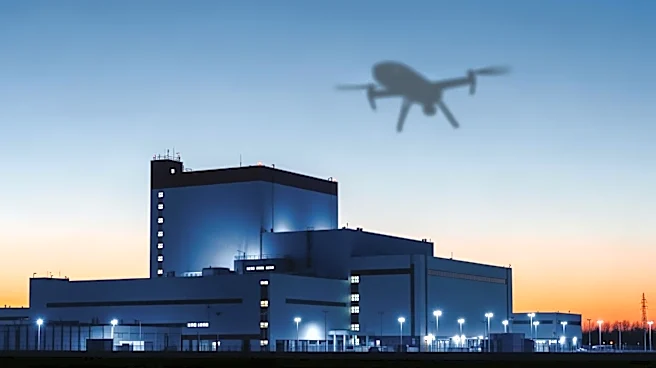
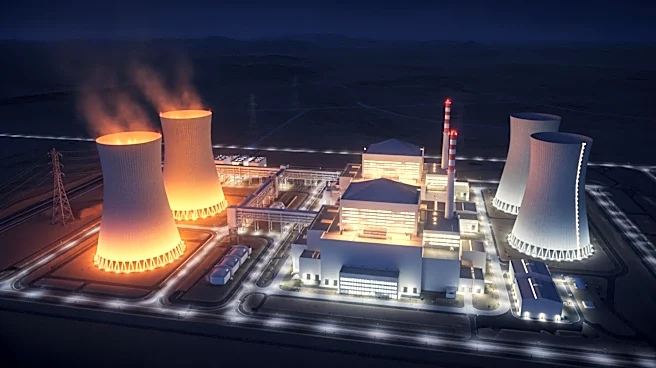
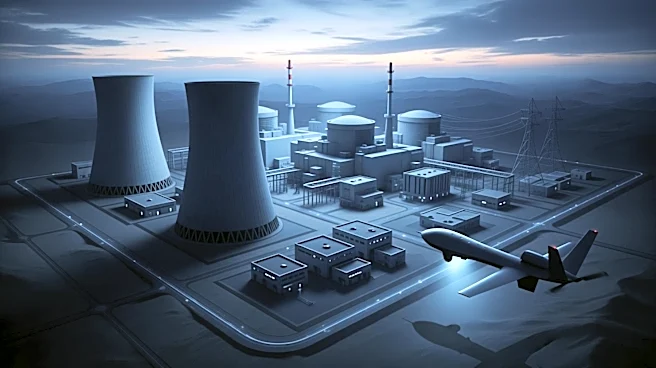
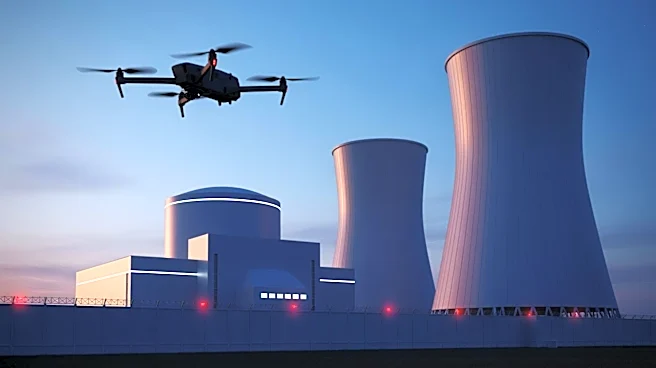
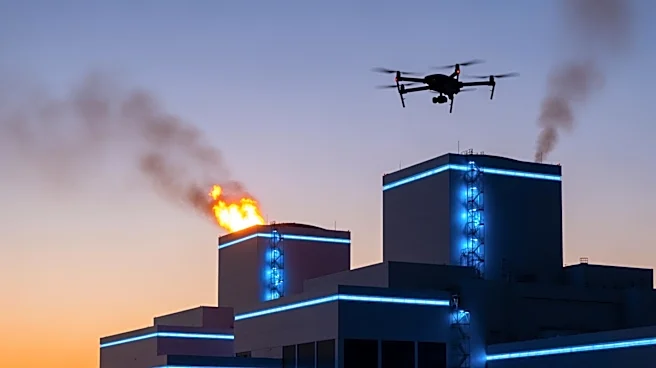
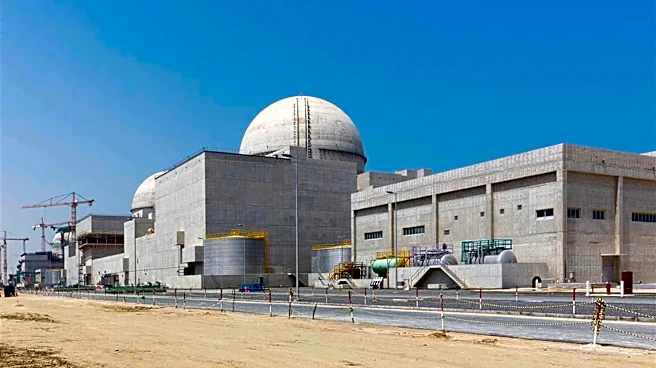
A drone strike targeted the Barakah nuclear power plant in the United Arab Emirates, causing a fire but no injuries or radiation leaks. The attack, described as an 'unprovoked terrorist attack,' has heightened fears of renewed conflict in the region.
The UAE's nuclear program, governed by a '123 agreement' with the U.S., does not involve domestic uranium enrichment, contrasting with Iran's controversial nuclear activities. The incident underscores the vulnerability of nuclear facilities in conflict zones, as seen in recent global conflicts.
Why It's Important?
The attack on the Barakah plant highlights the ongoing tensions in the Middle East, particularly between the U.S., Iran, and their respective allies. The UAE's reliance on foreign uranium and its adherence to non-proliferation agreements contrast sharply with Iran's nuclear ambitions, which have been a longstanding point of contention. The incident could exacerbate regional instability, affecting global energy markets and international diplomatic efforts to maintain peace. The targeting of nuclear facilities in conflict zones poses significant risks to global security and environmental safety.
What's Next?
The UAE is investigating the source of the drone strike, with suspicions potentially pointing towards Iran or its proxies. The incident may lead to increased military and diplomatic tensions, with potential repercussions for international relations and energy security. The U.S. and its allies may need to reassess their strategies in the region to prevent further escalations. The fragile ceasefire between the U.S. and Iran remains at risk, with diplomatic efforts for a lasting peace deal facing significant challenges.