


What's Happening?
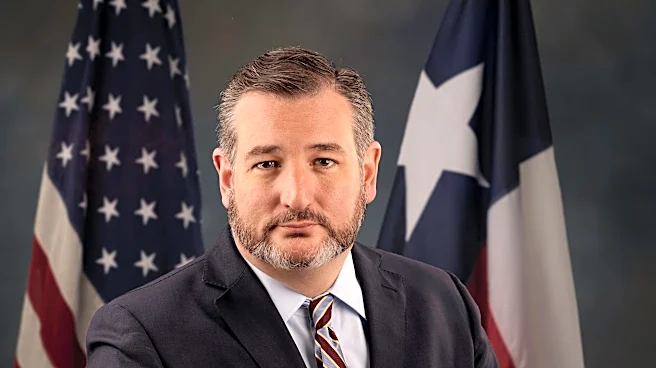
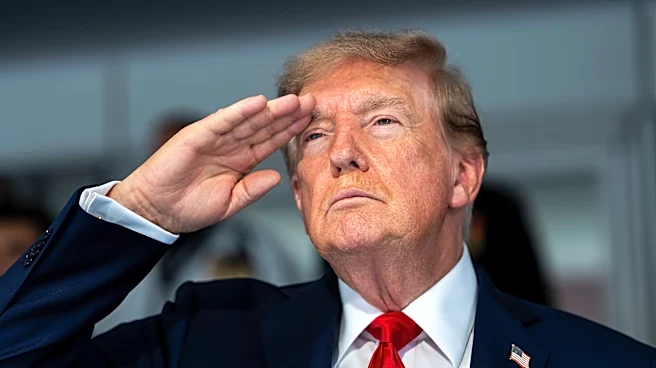
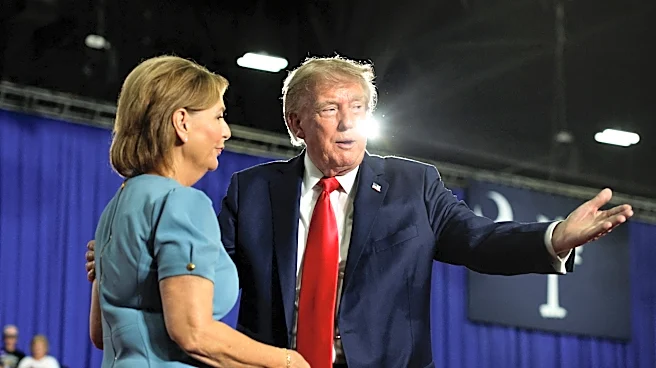
President Trump has publicly praised Senator Ted Cruz (R-Texas) as Cruz openly considers a potential bid for the 2028 Republican presidential nomination. During an unrelated White House event, President Trump described Cruz as "very talented" and "a very good
friend," suggesting Cruz "might do that" in reference to a presidential campaign. This commendation comes despite their past contentious rivalry during the 2016 Republican primary, where President Trump famously nicknamed Cruz "Lyin' Ted." Cruz recently discussed his presidential aspirations on Texas Lt. Gov. Dan Patrick's podcast, stating, "It’s no secret that I want to be president." He also dismissed the idea that other Republican hopefuls should defer to Vice President JD Vance for the 2028 nomination, emphasizing that there will be a "full discussion about who we are and what we believe," and that he intends to be part of that discussion. Cruz and President Trump have since aligned their political platforms, focusing on advancing the MAGA movement.
Why It's Important?
President Trump's endorsement of Senator Cruz's potential 2028 presidential run is significant for several reasons. It signals a potential shift in the Republican landscape, indicating that a former rival could now be a favored candidate within the party, especially given President Trump's continued influence. This could shape the early dynamics of the 2028 Republican primary, potentially encouraging other candidates to seek President Trump's approval or to differentiate themselves from his political orbit. For Cruz, President Trump's praise could bolster his standing among the MAGA base, which is crucial for any Republican presidential contender. The comments also highlight the evolving nature of political alliances, demonstrating how past animosities can be set aside for perceived strategic advantages. The potential entry of Cruz into the race, possibly against Vice President JD Vance and Secretary of State Marco Rubio, suggests a competitive primary field, which could lead to a robust debate over the future direction of the Republican Party and its core principles.
What's Next?
The coming months are likely to see increased speculation and positioning among potential Republican presidential candidates for 2028. Senator Cruz's public statements and President Trump's supportive remarks will likely encourage further discussions about Cruz's intentions and the broader field of contenders. Other potential candidates, such as Vice President JD Vance and Secretary of State Marco Rubio, will be closely watched for their reactions and any moves they make to consolidate support or articulate their own visions. The Republican Party will face the challenge of navigating a potentially crowded primary, balancing the influence of President Trump with the aspirations of other prominent figures. Future events, such as political rallies, media appearances, and early fundraising efforts, will provide more clarity on who is seriously considering a run and how they plan to differentiate themselves. The alignment of Cruz and President Trump also suggests a continued focus on the MAGA agenda, which will likely be a central theme in the upcoming primary debates.
Beyond the Headlines
The reconciliation between President Trump and Senator Cruz, following their bitter 2016 primary, underscores a deeper trend in contemporary U.S. politics: the pragmatic formation of alliances despite past conflicts. This dynamic suggests that ideological purity can sometimes be secondary to strategic unity, particularly within a party seeking to maintain or regain power. The 'bug' of wanting to be president, as Cruz described it, highlights the enduring ambition that drives many political figures, often leading them to adapt their strategies and relationships. This phenomenon can lead to a more consolidated party front, but it also raises questions about the authenticity of political discourse and the long-term implications for party unity. The emphasis on the MAGA movement by both President Trump and Cruz indicates a continued commitment to a specific political ideology that has reshaped the Republican Party, potentially influencing policy debates and electoral strategies for years to come. This evolving political landscape could redefine what it means to be a Republican leader in the post-Trump era.