




What's Happening?
President Trump announced an extension of the ceasefire with Iran at the request of Pakistan, as the deadline for the truce approached. The extension comes amid uncertainty surrounding potential talks between the U.S. and Iran, which were scheduled to
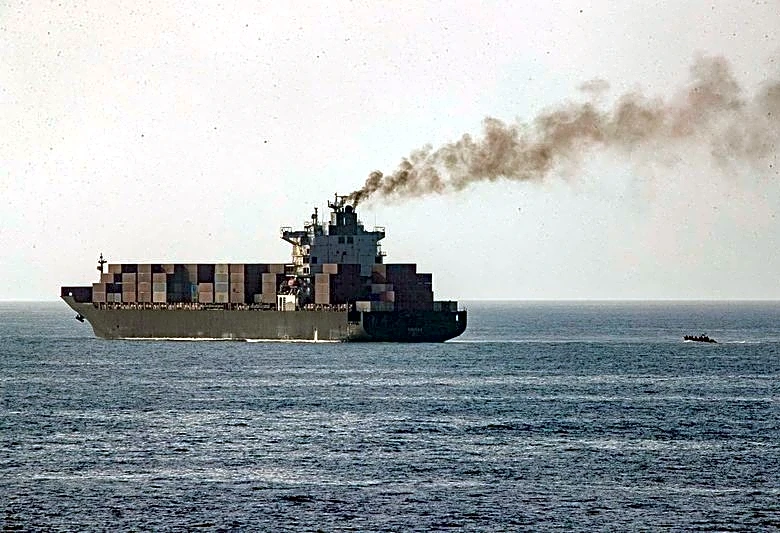
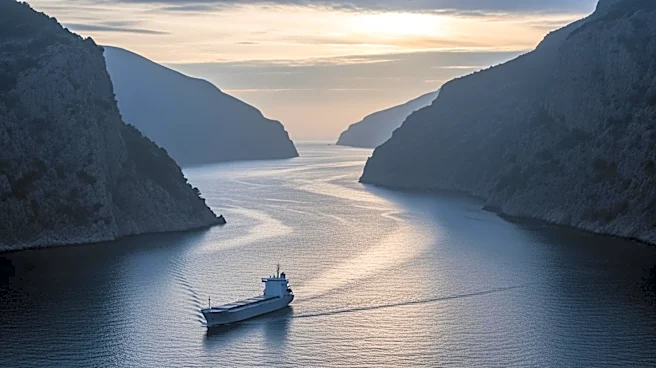
take place in Pakistan. The ceasefire, initially set to expire, was extended as both nations exchanged threats, with Iran expressing dissatisfaction over the U.S.'s blockade of Iranian ports. The blockade, aimed at pressuring Iran to relinquish control over the Strait of Hormuz, has led to a significant increase in oil prices. The U.S. military has also seized an Iranian container ship, further escalating tensions.
Why It's Important?
The extension of the ceasefire is crucial in preventing the resumption of hostilities between the U.S. and Iran, which could have significant geopolitical and economic repercussions. The Strait of Hormuz is a vital shipping lane for global oil and gas supplies, and any conflict in the region could disrupt these supplies, leading to further increases in oil prices. The situation also impacts U.S. foreign policy and its relations with Middle Eastern countries, as well as global energy markets. The ongoing tensions highlight the fragile nature of international diplomacy and the potential for conflict to affect global economic stability.
What's Next?
The next steps involve potential negotiations between the U.S. and Iran, with Pakistan playing a mediating role. The outcome of these talks could determine whether the ceasefire holds or if hostilities resume. The U.S. is likely to continue its naval blockade until Iran agrees to relinquish control over the Strait of Hormuz. The international community will be closely monitoring the situation, as any escalation could have widespread implications for global security and economic stability.