



What's Happening?
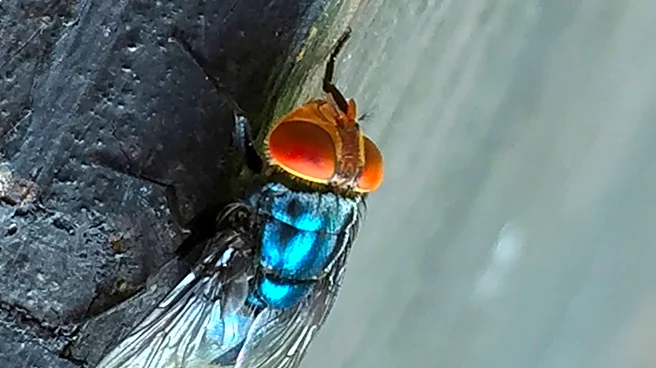
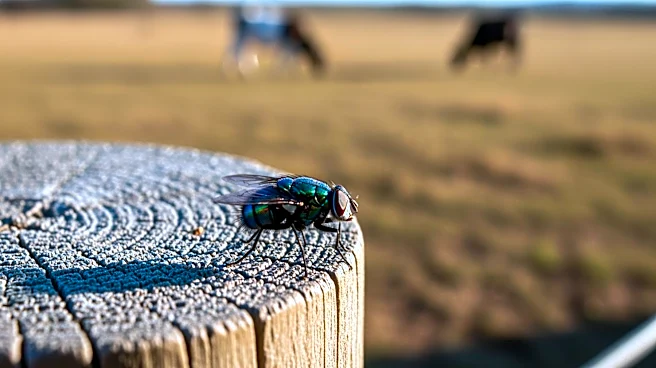
The New World screwworm fly has been detected in a calf in LaPryor, Texas, marking the first confirmed case in the state since 1966. The U.S. Department of Agriculture (USDA) has established a 12-mile quarantine zone to prevent the movement of warm-blooded
animals, including pets, without inspection. Agriculture Secretary Brooke Rollins emphasized that while the larvae pose a threat to livestock, they do not infest food. The USDA has been proactive in preventing the fly's spread from Mexico, where it has been a concern for over a year.
Why It's Important?
The detection of the screwworm fly in Texas is a significant concern for the U.S. cattle industry, which remembers the economic devastation caused by the pest before its eradication in the 1970s. The USDA's response, including the use of sterile flies to control the population, is crucial to preventing a repeat of past losses. The situation highlights the ongoing challenges of managing cross-border agricultural pests and the importance of maintaining robust biosecurity measures to protect the livestock industry.
What's Next?
The USDA will continue its efforts to contain the screwworm fly, including the deployment of sterile flies and the enforcement of quarantine measures. The agency is confident that its preparations will prevent a mass infestation. The USDA has also invested in facilities to breed sterile flies, which will be crucial in controlling the pest's population. Stakeholders, including ranchers and pet owners, are urged to comply with quarantine measures to aid in the containment efforts.