



What's Happening?
A new U.N. climate report from the World Meteorological Organization (WMO), released on the first day of COP31, indicates that 2026 is projected to be among the four hottest years on record. This elevated temperature trend is expected to persist into
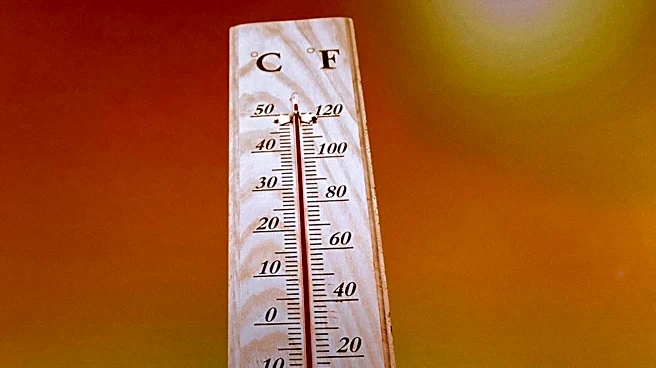
early 2027, largely due to an unusually powerful El Niño phenomenon. The report states that the global average surface temperature from January to September was approximately 2.65°F (1.47°C) above the 1850-1900 pre-industrial average. The past 12 years have consistently ranked among the hottest, with 2023 through 2026 occupying the top four positions. The current El Niño, intensifying since August, is anticipated to be the strongest on record by December, acting as a 'risk multiplier' for health and exacerbating human-caused climate change. The World Health Organization (WHO) has, for the first time, classified the anticipated health impacts of extreme heat and the record-breaking El Niño as a health emergency.
Why It's Important?
The projected record-breaking temperatures and the prolonged El Niño event carry significant implications for the United States. Higher temperatures are already straining global water resources, with freshwater supplies in decline. For American cities, particularly low-income neighborhoods, the health impacts are critical, as these areas disproportionately experience heat-related illnesses, reduced air quality, and increased energy bills. Local health systems and community organizations are expected to bear the brunt of these adverse effects. Economically, a strong El Niño can lead to extreme heat, drought, and flooding, disrupting agriculture, supply chains, and labor productivity. The 2015-16 El Niño, for instance, cost the global economy nearly $4 trillion in lost output. For the U.S., this could mean increased risks of extreme storms and flooding in some regions, and drought in others. While warmer, wetter weather in the South could replenish water supplies and potentially benefit some Midwest winter crops like wheat, risks include flooding in California and the South, and disruptions to truck routes and Mississippi River basin flooding.
What's Next?
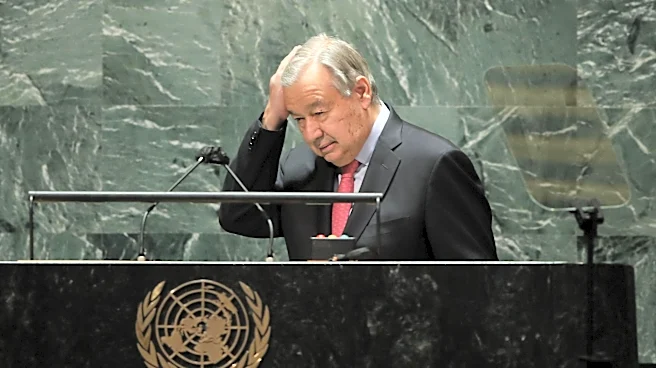
UN Secretary-General António Guterres stated that the world has entered 'a new age of climate extremes,' with climate records continuing to fall and human costs rising. He urged leaders to accelerate emissions reductions, transition from fossil fuels, and provide necessary finance and protection to vulnerable countries. The WMO Secretary-General Celeste Saulo warned that the world should prepare for another record-breaking year in 2027 and emphasized the need for investment in observation networks and forecasting. The final State of the Global Climate 2026 report is scheduled for release in March 2027. Stakeholders, including governments, businesses, and communities, will need to adapt to increased climate volatility, including potential disruptions to critical infrastructure like the Panama Canal due to droughts, which could further magnify supply chain issues.
Beyond the Headlines
The classification of El Niño's health impacts as a health emergency by the WHO underscores a growing recognition of climate change as an immediate public health crisis, not just an environmental one. This shift could lead to greater integration of climate resilience into public health strategies and urban planning, particularly in vulnerable communities. The disproportionate impact on low-income neighborhoods highlights existing social inequalities, suggesting that climate adaptation efforts must also address systemic issues of environmental justice. Furthermore, the economic ramifications, including potential advantages for U.S. wheat sales if other regions are more severely affected, could reshape global agricultural markets and trade dynamics. The 'wrecking ball' description by U.N. emergency relief chief Tom Fletcher signals a need for more robust international cooperation and disaster preparedness, as the scale of anticipated impacts extends beyond national borders.