


What's Happening?
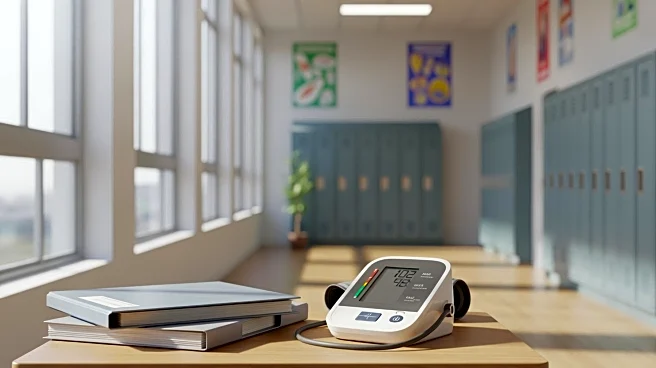
A systematic scoping review has been conducted to evaluate school-based blood pressure (BP) screening programs for children and adolescents. The review analyzed 17 peer-reviewed articles that focused on identifying individuals with hypertensive BP for clinical
diagnosis, referral, or follow-up. These programs were implemented across 11 countries, including both high-income and middle-income nations. The majority of the studies were part of research initiatives, while a few were embedded in government-funded school health programs. The review highlighted various methodologies for BP measurement, including the use of automated devices and manual methods. It also examined the diagnostic process coverage and implementation strategies, such as stakeholder engagement and educational programs aimed at promoting healthy behaviors.
Why It's Important?
The significance of this review lies in its potential to inform public health strategies aimed at early detection and management of hypertension in young populations. High blood pressure in children and adolescents is a growing concern, as it can lead to long-term health issues if not addressed early. By identifying effective school-based screening practices, the review provides valuable insights for policymakers and educators to implement similar programs in the U.S. This could lead to improved health outcomes and reduced healthcare costs associated with hypertension-related complications. The review also underscores the importance of standardized measurement protocols and comprehensive diagnostic processes to ensure accurate identification and management of high BP in young individuals.
What's Next?
The findings of this review could prompt further research and discussions among healthcare professionals, educators, and policymakers in the U.S. to explore the feasibility of implementing school-based BP screening programs nationwide. Future steps may include pilot programs in select schools to assess the effectiveness and scalability of such initiatives. Additionally, there may be a push for developing guidelines and training for school staff to conduct BP screenings accurately. Collaboration with parents and community stakeholders will be crucial to ensure the success and acceptance of these programs.
Beyond the Headlines
Beyond the immediate implications for public health, the review highlights broader ethical and cultural considerations. Implementing school-based health screenings raises questions about privacy, consent, and the role of educational institutions in healthcare. It also emphasizes the need for culturally sensitive approaches that consider the diverse backgrounds of students. Long-term, these programs could contribute to a shift in how society views preventive healthcare, potentially leading to more proactive health management from a young age.