



What's Happening?
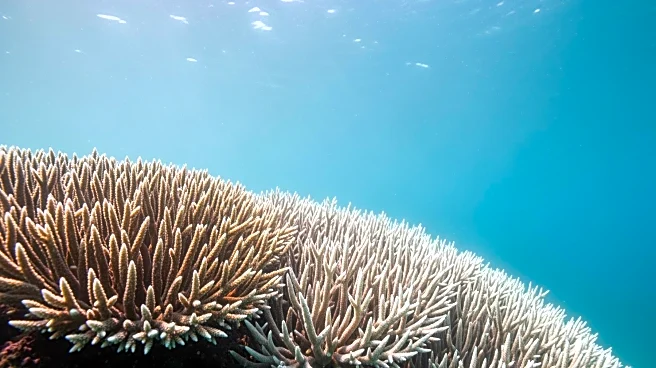
The 2014-2017 Global Coral Bleaching Event has resulted in severe and widespread damage to coral reefs across the globe. Utilizing satellite-based heat stress metrics, researchers have documented the extent of coral bleaching and mortality during this
period. The event, marked by record heat stress, led to significant coral bleaching and mortality, with many reefs experiencing unprecedented levels of damage. The study highlights the vulnerability of coral reefs to rising sea temperatures and the challenges in predicting and mitigating the impacts of such events.
Why It's Important?
Coral reefs are vital ecosystems that support a diverse range of marine life and provide significant economic benefits through tourism and fisheries. The widespread damage from the bleaching event underscores the urgent need for global action to address climate change and protect these critical habitats. The findings highlight the limitations of current conservation efforts and the need for more effective strategies to enhance the resilience of coral reefs in the face of increasing environmental stressors.
Beyond the Headlines
The study raises important questions about the long-term viability of coral reefs and the broader implications for marine biodiversity. As climate change continues to drive ocean warming, the frequency and severity of bleaching events are likely to increase, posing a significant threat to coral ecosystems. The research also emphasizes the need for international cooperation and investment in coral reef conservation and restoration efforts to mitigate the impacts of future bleaching events.