








What's Happening?
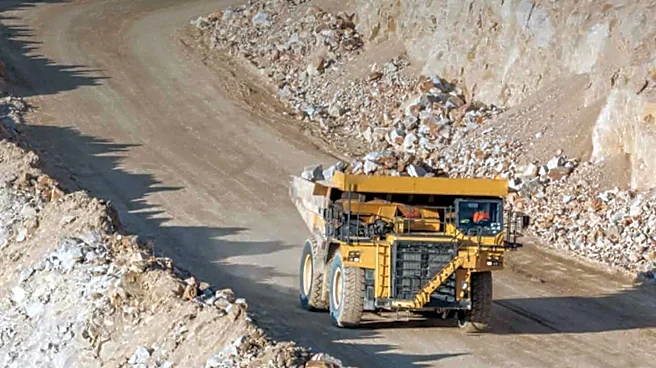
Kenya's plans to mine valuable minerals, including niobium and rare earth elements, beneath Mrima Hill are generating significant concern among local farmers and community elders. Residents near Kenya's Indian Ocean coast and the Tanzanian border report
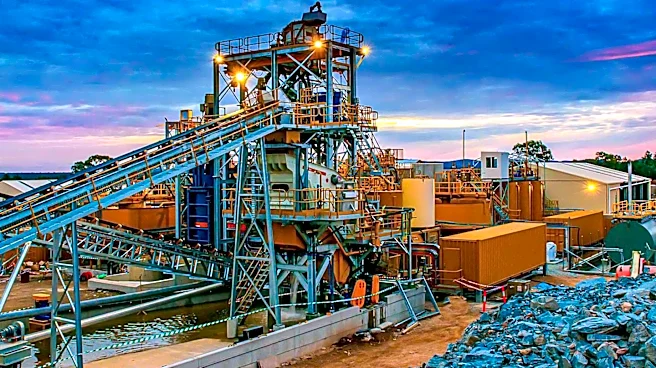
receiving minimal information regarding the mining's location or its potential impact on their farms, livelihoods, and a sacred forest where ancestors are buried. Justus Mwero, chairman of the Mrima Farm Owners Community-Based Organization, stated that farmers are uninformed about the process and potential relocation. The proposed development is part of a global race to secure rare earth minerals, crucial for electric vehicle motors, wind turbines, and defense technologies, as countries seek alternatives to China's dominant processing capabilities. Kenya's Mining Minister Hassan Joho indicated that a technical committee is evaluating five proposals, with an announcement expected within two to three weeks. An Australian consortium, including RareX and Iluka Resources, has submitted a technical and financial proposal.
Why It's Important?
This situation highlights the complex interplay between global demand for critical minerals, national economic development, and local community rights, a dynamic often observed in resource-rich developing nations. For the U.S., which is actively seeking to diversify its supply chains for rare earth elements to reduce reliance on China, such mining projects are strategically important. However, the lack of transparency and community engagement in Kenya raises ethical concerns about how these minerals are sourced. U.S. companies and policymakers advocating for responsible sourcing must consider the social and environmental impacts on local populations. The challenge to a proposed Kenya-U.S. agreement by a Kenyan civil society group, the Centre for Litigation Trust, underscores the need for robust community development agreements and transparent compensation processes, as stipulated by Kenya's Mining Act, to ensure equitable benefits and minimize harm to local livelihoods and cultural heritage.
What's Next?
Kenya's Mining Minister Hassan Joho is expected to announce the selected proposal for Mrima Hill's mining within two to three weeks, following the technical committee's evaluation. This decision will likely trigger further engagement, and potentially conflict, with local communities who are demanding more information and assurances regarding their land and livelihoods. The Centre for Litigation Trust's challenge to a proposed Kenya-U.S. agreement suggests that legal and civil society actions will continue to play a role in shaping the project's future. The mining license holder will be required to sign a community development agreement and compensate landowners before mining can commence. The outcome of this process will set a precedent for future mineral extraction projects in Kenya and could influence how international partners, including the U.S., engage in resource development in the region.
Beyond the Headlines
The conflict at Mrima Hill exemplifies the broader ethical and cultural dilemmas inherent in the global pursuit of critical minerals. The sacred nature of the forest for the Digo community, where ancestors are buried, highlights the clash between economic development and indigenous rights and cultural preservation. The fear of farmers losing productive land underscores the potential for displacement and disruption of traditional livelihoods, raising questions about environmental justice and equitable development. This situation serves as a critical case study for international organizations and governments, including the U.S., on the importance of integrating human rights, environmental protection, and transparent governance into mineral supply chain strategies. The long-term implications could include increased scrutiny of mining practices in developing countries and a greater emphasis on sustainable and socially responsible sourcing of rare earth elements.