




What's Happening?
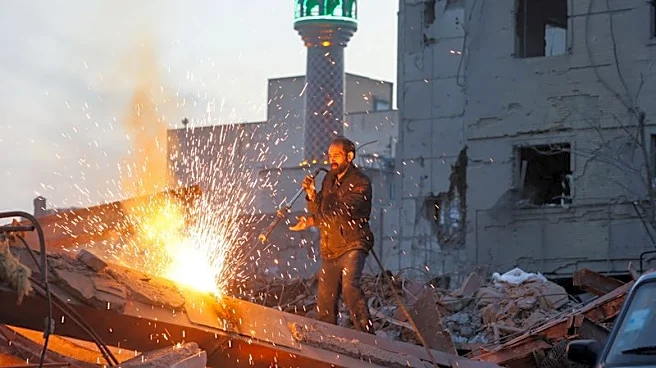
The United States Vice President JD Vance has announced that the U.S. will engage in negotiations with Iran while refraining from deploying ground forces in the ongoing conflict known as Operation Epic Fury. This conflict, active in 2026, involves a fragile
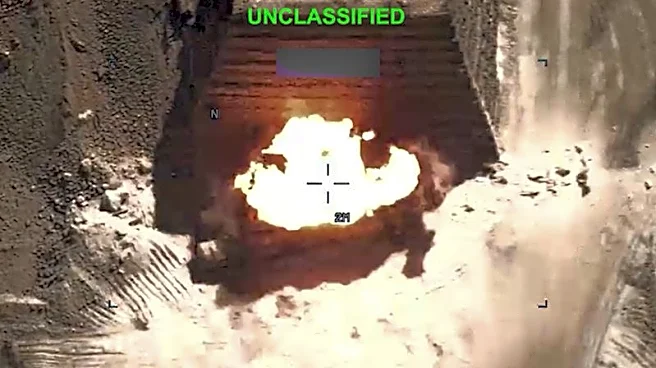
ceasefire between the U.S. and Iran, characterized by U.S. airstrikes on Iranian nuclear and military sites and retaliatory missile and drone attacks by Iran on U.S. interests. Despite the Pentagon having 17,000 troops stationed at the border, Vance's statement emphasizes a strategic decision to limit military engagement to aerial and naval operations, avoiding a ground invasion. This approach aligns with maintaining a blockade without escalating to a full-scale ground conflict.
Why It's Important?
The decision to avoid deploying ground troops in Iran reflects a strategic shift towards diplomatic engagement over military escalation. This move could potentially de-escalate tensions and reduce the risk of a broader conflict in the region. By focusing on negotiations, the U.S. aims to apply diplomatic pressure on Iran, which may influence market expectations regarding the resolution of the blockade. The decision also impacts military strategy, as it prioritizes air and naval power over ground operations, potentially affecting military logistics and resource allocation. This approach may also influence international perceptions of U.S. military policy and its commitment to resolving conflicts through diplomatic means.
What's Next?
Observers should closely monitor further statements from U.S. President Trump and the U.S. Central Command regarding the enforcement of the blockade, as these could alter market perceptions and diplomatic dynamics. Developments in U.S.-Iran diplomatic talks, particularly any agreements or breakdowns, will be crucial in shaping future market movements and the likelihood of the blockade's resolution. Additionally, any changes in military posture or new retaliatory actions by Iran could impact the timeline for ending the blockade, influencing both regional stability and international relations.