








What's Happening?
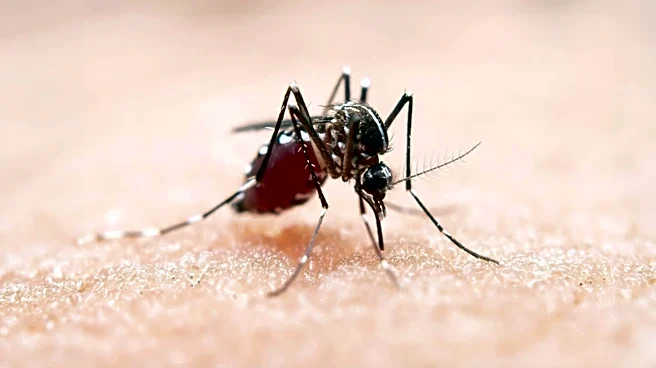
Mosquitoes in Wake County, North Carolina, are developing resistance to pyrethroids, a class of insecticides commonly used to control mosquito populations. Research from North Carolina State University has identified a genetic mutation in mosquitoes that
contributes to this resistance. The mutation was first detected in 2018 and has since spread, with 39% of mosquitoes carrying it by 2023. This resistance poses a challenge for pest control companies and public health officials, as pyrethroids are a key tool in managing mosquito populations during disease outbreaks. Companies like Mosquito Shield are adapting by using a variety of treatments and focusing on integrated pest management strategies.
Why It's Important?
The development of insecticide resistance in mosquitoes is significant because it threatens the effectiveness of current mosquito control methods, which are crucial during outbreaks of mosquito-borne diseases such as dengue, Zika, and chikungunya. As mosquitoes become more resistant, the risk of these diseases spreading increases, potentially impacting public health. The resistance also poses a financial challenge for pest control companies, which may need to invest in alternative methods and products. This situation underscores the need for ongoing research and collaboration between private companies and public health agencies to develop sustainable mosquito control strategies.
What's Next?
Researchers and public health officials are likely to continue monitoring the spread of resistance and explore alternative insecticides and control methods. There may be increased emphasis on integrated pest management, which combines chemical treatments with other strategies like habitat modification and biological control. Public health agencies might also focus on educating the public about preventive measures to reduce mosquito breeding sites. The situation could lead to policy changes regarding the use of insecticides and the development of new regulations to manage resistance.