





What's Happening?
The U.S. Senate Commerce Committee recently held a hearing to discuss the influence of prediction markets on sports betting. The hearing featured testimony from various stakeholders, including the American Gaming Association (AGA) and prediction market lobbyists.
Senators expressed concerns that prediction market 'event contracts' might be undermining state laws and tribal gaming compacts. The committee is skeptical about the effectiveness of the CLARITY Act in addressing these regulatory issues. Key figures like Senator John Hickenlooper and Bill Miller, President of the AGA, highlighted the potential risks of prediction markets, such as insider trading and market manipulation. The hearing underscored the need for clear federal guidelines to ensure the integrity of sports betting.
Why It's Important?
The scrutiny of prediction markets by the Senate Commerce Committee is significant as it could lead to new federal regulations affecting the sports betting industry. This development is crucial for state and tribal gaming authorities who fear that prediction markets might bypass existing regulations. The outcome of this legislative scrutiny could impact the financial stability and operational frameworks of both traditional sportsbooks and emerging prediction market platforms. Stakeholders in the gaming industry, including state regulators and tribal authorities, are closely monitoring these discussions, as any federal action could redefine the landscape of sports betting in the U.S.
What's Next?
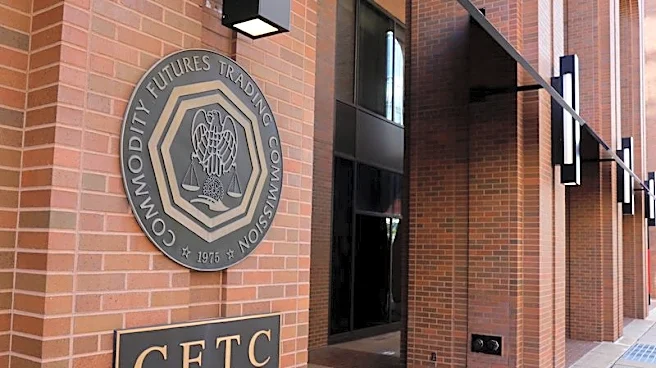
The Senate Commerce Committee's examination of prediction markets may lead to legislative proposals aimed at regulating these platforms more stringently. The committee's findings could influence future congressional actions, potentially introducing new variables into ongoing judicial processes concerning sports betting. As the debate continues, prediction market exchanges and the Commodity Futures Trading Commission (CFTC) may need to adjust their operations to align with any new federal guidelines. The gaming industry is likely to see increased lobbying efforts from both proponents and opponents of prediction markets as they seek to shape the regulatory environment.