







What's Happening?
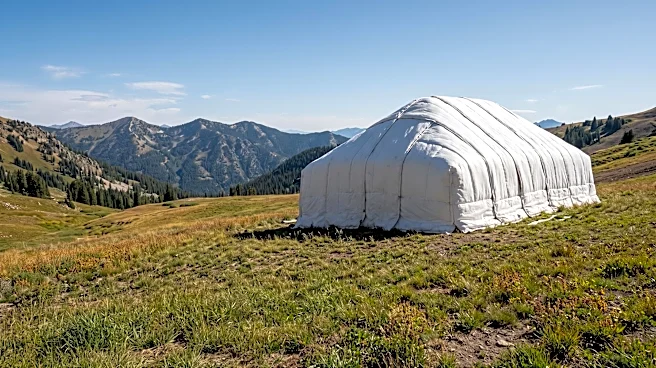
Aspen Snowmass, a Colorado ski area, has successfully implemented a Finnish snow storage system called 'Snow Secure' to preserve snow through warmer months. This technology, which involves covering millions of gallons of snow with massive insulated blankets,
allowed a section of the terrain park to open in early October, an unusual occurrence for the season. Chris Miller, the senior vice president of sustainability at Aspen One, Snowmass’ parent company, described Snow Secure as a 'pretty basic technology' made from the same material used for home insulation in Scandinavia. The blankets, approximately 3 inches thick, were able to retain 85% of the snow beneath them, even after Colorado experienced its worst recorded snowpack followed by its hottest summer. Internal snow temperatures remained just above freezing, despite surface temperatures on the blankets exceeding 100 degrees Fahrenheit. This trial was planned before last winter's disappointing snowpack but proved particularly successful during an extreme year, giving Aspen confidence in expanding its use.
Why It's Important?
The successful deployment of 'Snow Secure' technology at Aspen Snowmass holds significant implications for the U.S. ski industry and other climate-dependent sectors. As climate variability leads to less predictable snowfall and warmer temperatures, ski resorts face increasing challenges in maintaining operations and attracting visitors. This technology offers a tangible solution for extending ski seasons and ensuring snow availability, thereby safeguarding revenue streams and local economies that rely heavily on winter tourism. For communities in the Mountain West, where the ski industry is a major employer and economic driver, such innovations are crucial for resilience against climate change. The ability to 'snow farm' provides a tool to mitigate the financial risks associated with poor snow seasons, potentially stabilizing employment and business activity in ski towns. It also highlights a proactive approach by a major U.S. resort to adapt to changing environmental conditions, setting a precedent for others in the industry.
What's Next?
Following the successful trial, Aspen Snowmass plans to expand the use of 'Snow Secure' technology. Chris Miller indicated that the goal is to build a 'toolbox of tools' to enhance resilience in the face of a changing climate. This suggests a broader strategy of adopting innovative solutions to ensure the long-term viability of winter sports in the region. Other ski areas in North America, such as Burke Mountain in Vermont and Soldier Hollow in Utah, are already utilizing this Finnish system, indicating a potential trend for wider adoption across the U.S. ski industry. Future developments may include further research into optimizing snow preservation techniques, exploring other climate adaptation strategies, and potentially influencing policy discussions around climate resilience in outdoor recreation. The success at Aspen Snowmass could encourage more investment in similar technologies and practices, leading to a more sustainable future for ski resorts nationwide.
Beyond the Headlines
The adoption of 'Snow Secure' technology at Aspen Snowmass points to a deeper shift in how industries reliant on natural resources are confronting climate change. Beyond the immediate economic benefits for the ski industry, this initiative underscores a growing recognition that passive reliance on traditional weather patterns is no longer sustainable. It highlights an ethical imperative for businesses to innovate and adapt to environmental challenges, moving beyond mere mitigation to active resilience-building. This 'snow farming' approach could inspire similar adaptive strategies in other sectors, such as agriculture or water management, where climate variability poses significant threats. The technology also raises questions about the long-term ecological impact of such interventions and the balance between human recreational activities and natural environmental processes. It signifies a cultural shift towards embracing technological solutions to maintain cherished activities and industries in a rapidly changing world, prompting a re-evaluation of our relationship with nature and the role of technology in preserving it.