


What's Happening?
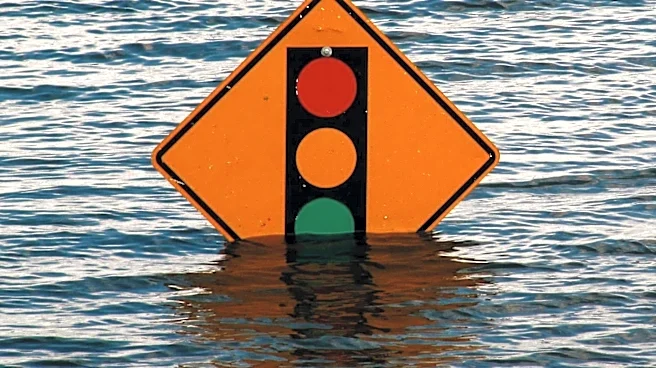
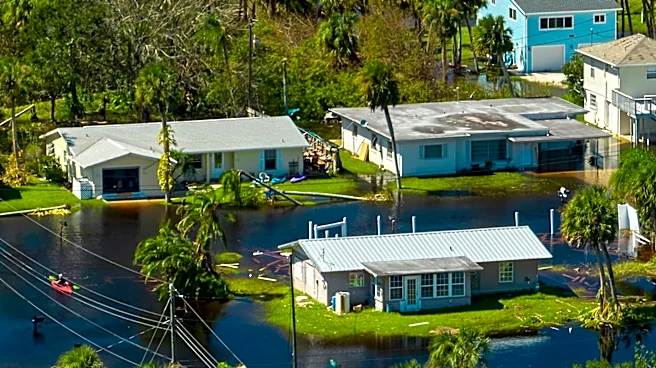
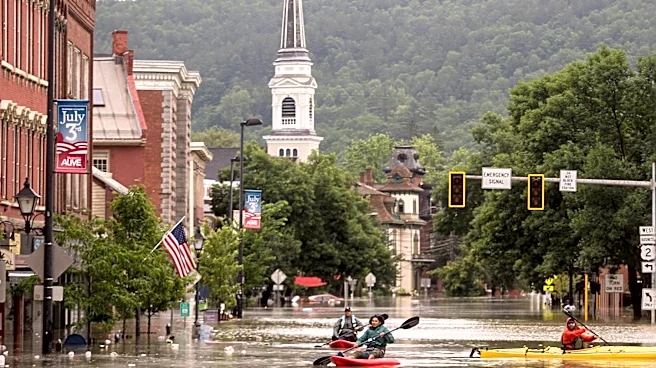
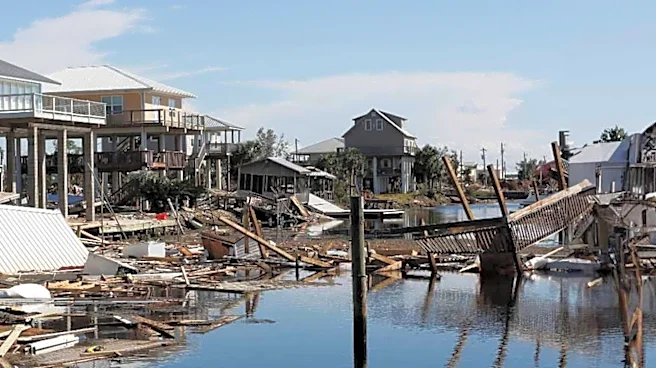
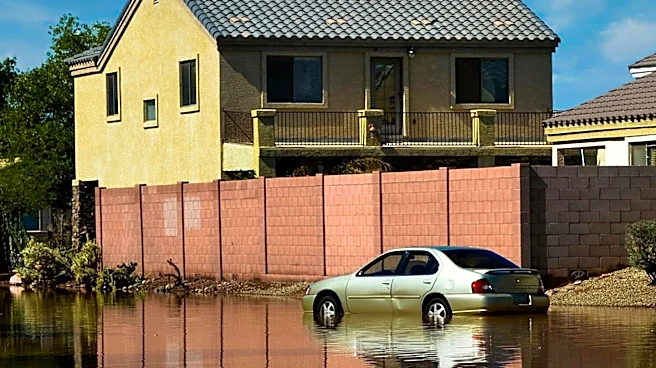
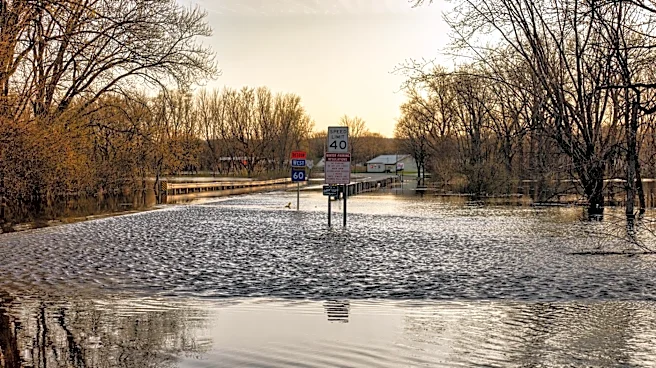
In McCaysville, Georgia, a state of emergency has been declared following severe flooding that damaged the town's water treatment plant. The flooding, caused by heavy rainfall and exacerbated by drainage issues linked to a road widening project, has left
residents and businesses without a reliable water supply. The town, located on the Georgia-Tennessee border, is now facing a significant water shortage, with officials advising residents to conserve and boil water for the next two to three weeks. The local public safety director, Michael Earley, has urged people to avoid the downtown area due to safety concerns as cleanup efforts continue.
Why It's Important?
The flooding in McCaysville highlights the vulnerability of infrastructure to extreme weather events, which are becoming more frequent due to climate change. The damage to the water treatment plant underscores the critical need for resilient infrastructure that can withstand such events. This situation also raises concerns about public health and safety, as residents are forced to rely on potentially unsafe water sources. The economic impact on local businesses, already struggling with the aftermath of the flooding, could be significant, affecting the town's recovery and resilience.
What's Next?
As McCaysville works to restore its water supply, local and state officials may need to reassess infrastructure projects to prevent future incidents. The town's recovery efforts will likely involve significant investment in repairing and upgrading the water treatment plant and addressing the drainage issues that contributed to the flooding. This situation may prompt broader discussions on infrastructure resilience and emergency preparedness in the face of climate change.