








What's Happening?
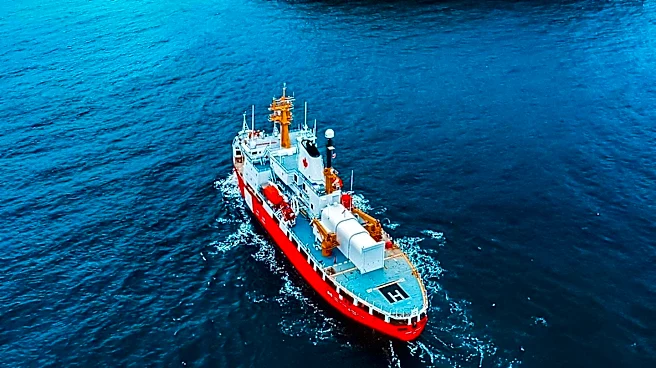
The Canadian Coast Guard has introduced the CCGS Judy LaMarsh, a repurposed light icebreaker, into service. Acquired in 2021 for C$45.2 million (US$36.6 million), the vessel will be homeported in Prescott, Ontario. Its primary responsibilities include
icebreaking and buoy tending operations across the Great Lakes and the St. Lawrence River in Ontario and Quebec. This marks the first time in over three decades that an additional large vessel has joined the Great Lakes region for the Canadian Coast Guard. The ship, originally built in 2010 as a shallow-draught icebreaking tug, previously operated in the Caspian Sea oil fields as a commercial firefighting tug, providing services such as icebreaking, towing, pushing supply barges, and standing by for firefighting and oil spill cleanup. The vessel underwent conversion at Newdock in St. John’s, which included refurbishment of its propulsion, communication, and navigation systems, as well as upgrades to workspaces, accommodation facilities, and the installation of a new buoy crane. Named after Judy LaMarsh, a prominent Canadian politician, lawyer, author, and broadcaster, the ship is expected to bolster year-round operations in one of Canada's busiest maritime environments.
Why It's Important?
The deployment of the CCGS Judy LaMarsh is significant for maintaining safe and accessible waterways in the Great Lakes and St. Lawrence Seaway, crucial arteries for trade and transportation between the U.S. and Canada. The Great Lakes region is a vital economic corridor, and consistent icebreaking capabilities are essential for ensuring the uninterrupted flow of goods and materials, particularly during winter months. This new vessel will enhance the Canadian Coast Guard's capacity to support maritime operations, which directly impacts cross-border commerce and industrial activities. For U.S. industries reliant on shipping through these waterways, improved icebreaking services mean reduced delays, lower transportation costs, and greater predictability in supply chains. The addition of the CCGS Judy LaMarsh as an interim solution also highlights the ongoing need for robust maritime infrastructure and services to support the economic partnership between the two nations, ensuring that critical navigation routes remain open and safe for all vessels.
What's Next?
The CCGS Judy LaMarsh will immediately commence its core tasks of icebreaking and buoy tending operations in the Great Lakes and St. Lawrence River. Its integration into the existing fleet, which includes the Samuel Risley and Griffon, is expected to enhance the overall efficiency and reliability of maritime services in the region. The vessel is part of a broader strategy by the Canadian government to acquire interim solutions while older vessels undergo life extension, repairs, and maintenance. This suggests a continued focus on modernizing and expanding the Canadian Coast Guard's capabilities to meet the demands of busy maritime environments. Stakeholders, including shipping companies, port authorities, and industries that depend on the Great Lakes and St. Lawrence Seaway for transportation, can anticipate improved navigation conditions and reduced operational disruptions, particularly during challenging winter seasons. The long-term plan likely involves further investments in new vessels and infrastructure to ensure sustained maritime safety and accessibility.
Beyond the Headlines
The introduction of the CCGS Judy LaMarsh underscores the critical, often overlooked, role of icebreakers in facilitating international trade and economic stability in North America. Beyond the immediate operational benefits, this investment reflects a commitment to maintaining the integrity of shared waterways, which are vital for both Canadian and U.S. economies. The repurposing of a vessel like the Mangystau-2, originally built for commercial operations in the Caspian Sea, highlights an adaptive approach to fleet management and resource allocation. This strategy allows for quicker deployment of essential services compared to building new vessels from scratch, addressing immediate needs while longer-term shipbuilding projects are underway. The naming of the ship after Judy LaMarsh also carries symbolic weight, honoring a pioneering woman in Canadian politics and subtly reinforcing the broader societal contributions of public service. This move ensures not only the physical safety of maritime traffic but also the economic health of the regions bordering these crucial waterways.