








What's Happening?
A recent dispatch from the Ground View Kazakhstan series highlights the transformative impact of on-the-ground reporting on understanding Kazakhstan's mining and geopolitical dynamics. The report underscores the limitations of relying solely on online
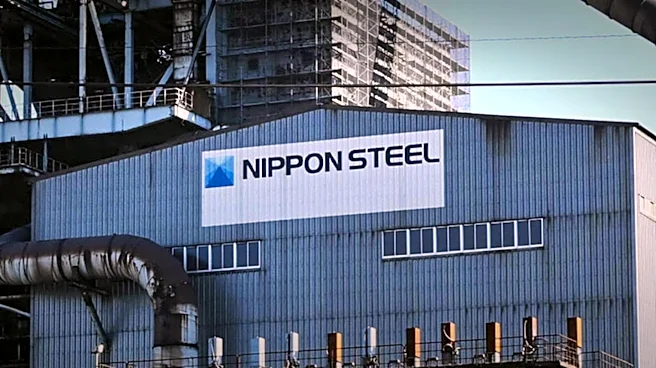
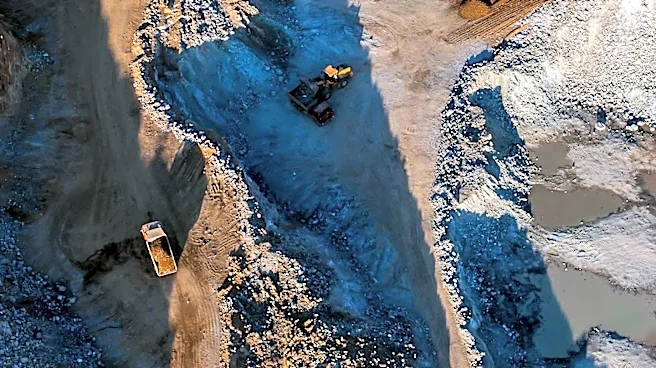
data, emphasizing the need for contextual insights gained through direct engagement with local archives, industries, and geopolitical entities. Kazakhstan is depicted as a strategic player where the interests of Russia, China, and the West intersect. The country's mining sector, particularly its steel and uranium industries, is explored, revealing the complex interplay of historical legacies and modern geopolitical influences. The report also touches on the tragic industrial accident at the Kostenko mine, which led to a shift in control back to Kazakh authorities.
Why It's Important?
Kazakhstan's strategic position and resource wealth make it a pivotal player in global mining and geopolitics. The insights from this report highlight the country's evolving role from a passive buffer to an active participant with significant leverage. This shift has implications for international companies and governments seeking to engage with Kazakhstan, particularly in the critical minerals sector. The report suggests that Kazakhstan's strengthened negotiating position, bolstered by sovereign wealth and strategic partnerships, could alter the terms of engagement for new entrants. This development is crucial for U.S. companies and policymakers as they navigate the complexities of securing critical mineral supplies in a landscape dominated by Chinese processing capabilities.
What's Next?
As Kazakhstan continues to assert its geopolitical and economic influence, international stakeholders, including U.S. companies, will need to adapt to the country's new realities. The report indicates that Kazakhstan's approach to partnerships and resource management is becoming more sophisticated, with a focus on leveraging its strategic position. Future engagements will likely require a nuanced understanding of Kazakhstan's domestic priorities and international alliances. Companies and governments may need to reassess their strategies to align with Kazakhstan's evolving role as a more established and self-assured partner in the global mining sector.
Beyond the Headlines
The report sheds light on the broader implications of Kazakhstan's geopolitical positioning, particularly in the context of critical minerals. As global demand for these resources grows, Kazakhstan's ability to navigate its relationships with major powers like China and the West will be crucial. The country's historical experiences and current strategies offer lessons in balancing external influences while maintaining national interests. This dynamic could influence global supply chains and the geopolitical landscape, particularly as countries seek to diversify their sources of critical minerals away from dominant players like China.