

What's Happening?
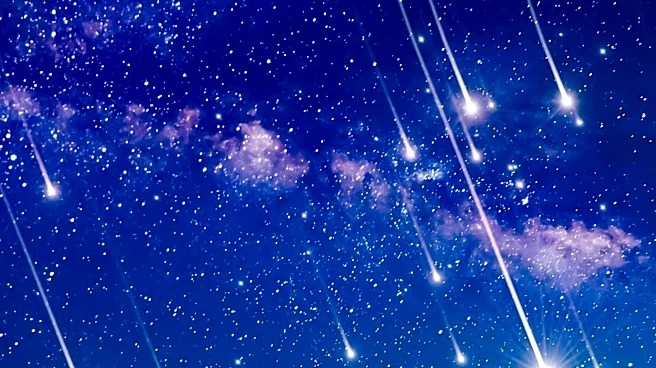
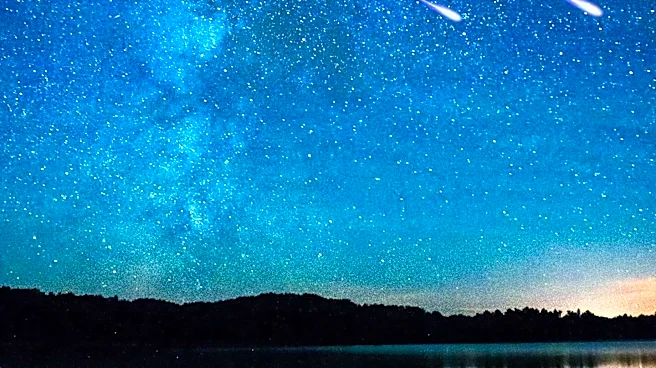
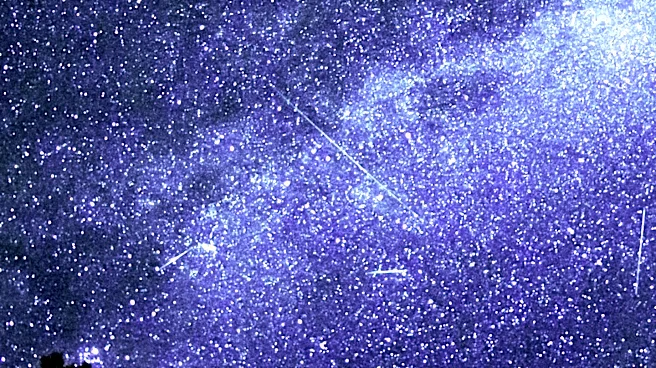
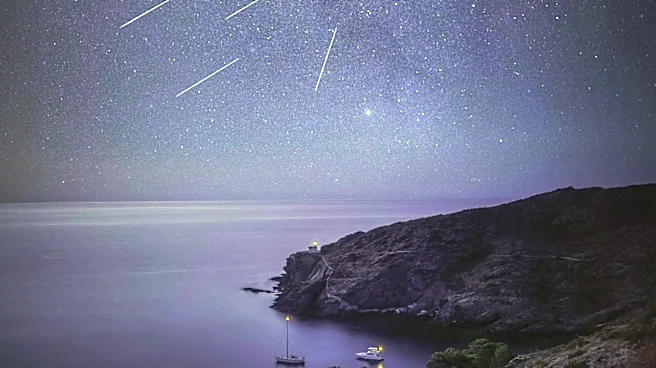
The Perseids meteor shower, an annual astronomical event, is set to illuminate the night sky from July 17 to August 23, with its peak expected between August 12 and 13. According to NASA, the Perseids are renowned for their bright and swift meteors, capable
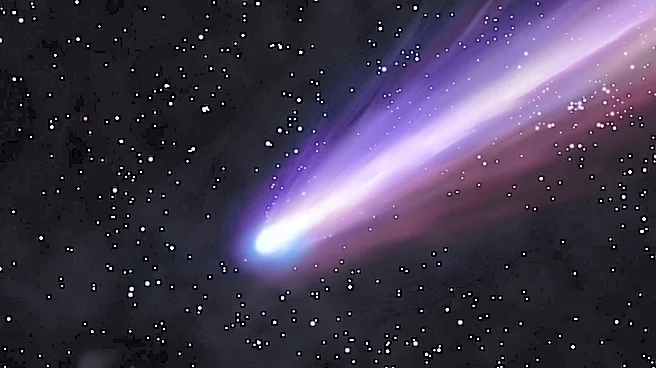
of producing between 50 and 100 visible meteors per hour under optimal conditions. These meteors originate from the debris left by the comet Swift-Tuttle, which orbits the sun every 133 years. The shower is best viewed from the Northern Hemisphere, particularly in the predawn hours, although it can be seen throughout the evening. The Perseids are also noted for their fireballs, which are larger explosions of light and color that last longer than typical meteor streaks.
Why It's Important?
The Perseids meteor shower is considered one of the most spectacular celestial events of the year, attracting astronomers and stargazers alike. Its visibility and frequency make it a significant event for both amateur and professional astronomers, providing an opportunity to study meteoric activity and the composition of cometary debris. For the general public, it offers a chance to engage with astronomy and appreciate the natural wonders of the universe. The event also has cultural significance, often inspiring art and literature, and fostering a sense of connection to the cosmos.
What's Next?
As the peak of the Perseids approaches, stargazers are advised to find locations away from light pollution to maximize their viewing experience. NASA recommends lying flat on one's back and allowing about 30 minutes for eyes to adjust to the darkness. This preparation will enhance the visibility of the meteor shower. The event may also prompt educational and community gatherings, such as stargazing parties and astronomy workshops, aimed at increasing public interest and understanding of astronomical phenomena.