


What's Happening?
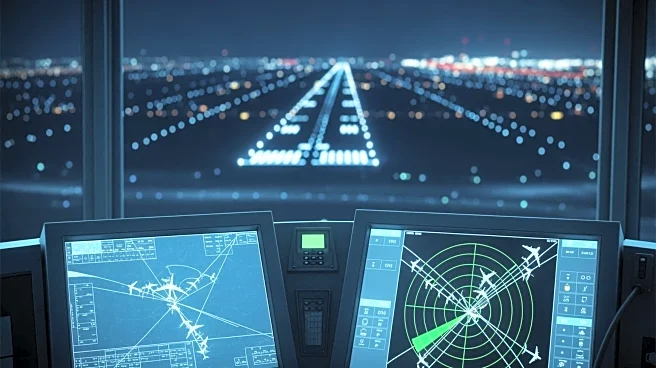
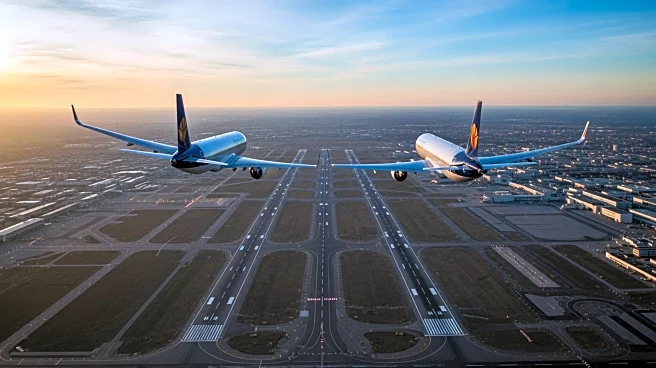
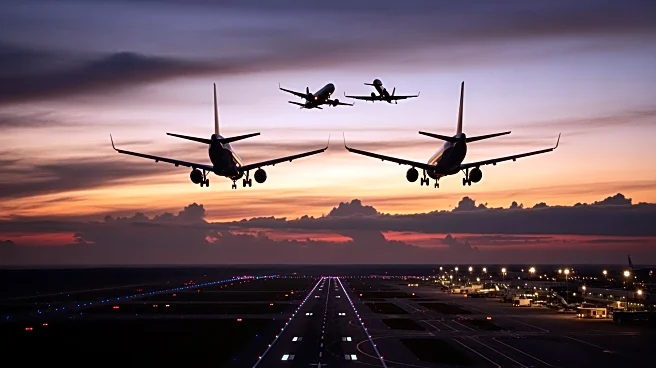
The Federal Aviation Administration (FAA) has mandated the use of radar for maintaining separation between helicopters and airplanes at over 150 of the nation's busiest airports. This decision follows a deadly midair collision near Washington, D.C., last
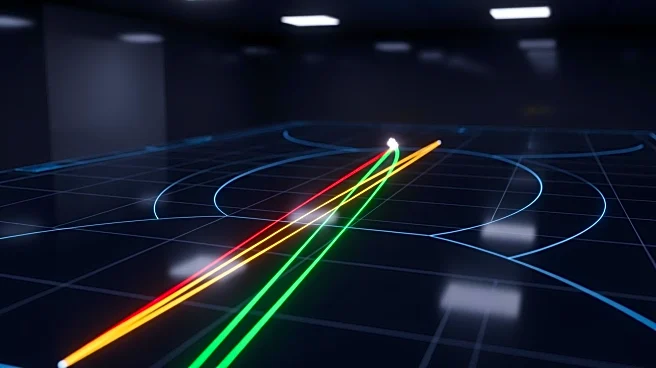
year, which highlighted the inadequacies of relying solely on visual separation by pilots. The new guidelines require air traffic controllers to use radar to ensure specific lateral or vertical distances between aircraft, extending a restriction already in place at Ronald Reagan Washington National Airport. The FAA's move aims to mitigate risks and enhance safety in the national airspace, addressing concerns raised by recent near-misses involving helicopters and airplanes.
Why It's Important?
The implementation of radar separation is a critical safety measure that addresses the limitations of visual separation, which has been a contributing factor in past aviation incidents. By enhancing the precision of aircraft separation, the FAA aims to prevent future collisions and improve overall air traffic safety. This change is particularly significant given the increasing complexity and volume of air traffic in busy metropolitan areas. The decision reflects a proactive approach to aviation safety, potentially setting a precedent for other countries to follow. It also underscores the importance of continuous evaluation and adaptation of air traffic control practices to ensure passenger safety.
What's Next?
The FAA will likely monitor the implementation of the new radar separation guidelines to assess their effectiveness in preventing midair collisions. Further adjustments may be made based on feedback from air traffic controllers and pilots. The aviation industry may also see increased investment in radar technology and training to support the new requirements. Additionally, the FAA's decision could prompt discussions on other potential safety enhancements in air traffic management, such as the integration of advanced technologies like artificial intelligence and machine learning to further improve safety and efficiency.