




What's Happening?
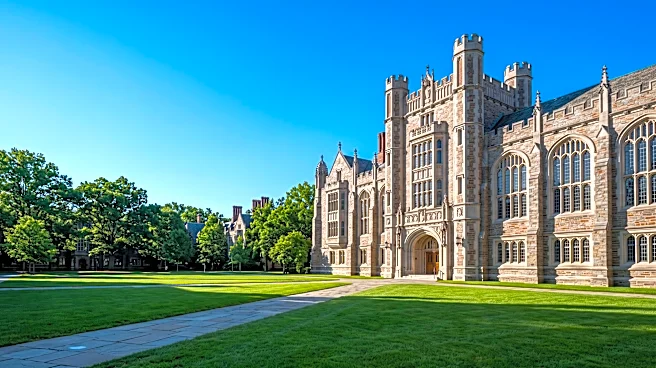
Georgetown University students are reportedly organizing a 'Charlie Kirk lookalike contest' scheduled for September 10, 2026, which marks the one-year anniversary of the conservative activist's assassination. The event was promoted on the anonymous social
media platform Fizz, which requires a university email for interaction. A post announcing the contest garnered over 2,200 upvotes, representing nearly a third of the university's undergraduate student body. The post invited participants to 'Pull up to Copley Lawn [on campus] to speak the truth while the cost is high.' Screenshots obtained by Fox News Digital also show discussions about a lookalike contest for Charlie Kirk's widow, Erika Kirk, and requests for the school's a cappella group to perform a viral meme song. Georgetown's Turning Point USA chapter, co-founded by Kirk, provided these posts to Fox News Digital, stating they were intended as mockery. A Georgetown University spokesperson denied any school involvement or knowledge of such an event by a student organization, condemning the language as inconsistent with university values and deeply disappointing, while emphasizing the university's commitment to free expression.
Why It's Important?
This reported event highlights a significant cultural and political divide within university campuses, particularly concerning freedom of speech, respect for victims of violence, and the treatment of conservative figures. The alleged planning of a 'lookalike contest' on the anniversary of an assassination, even if intended as mockery, raises questions about the boundaries of acceptable discourse and satire in academic environments. The strong reaction from Turning Point USA officials, who described it as a debasement of shared humanity, underscores the deep emotional and ideological chasm. The university's response, condemning the posts while upholding free expression, reflects the delicate balance institutions must strike between fostering open dialogue and maintaining a respectful, safe community. This incident could further fuel debates about 'cancel culture,' political correctness, and the perceived hostility towards conservative viewpoints in higher education, potentially impacting student activism, university policies on social media, and the broader national conversation on political polarization.
What's Next?
Georgetown University is likely to continue monitoring the situation and may issue further statements or take internal actions if the alleged event materializes or if specific individuals are identified as organizers. The university's Turning Point USA chapter and other conservative groups may amplify their condemnation, potentially leading to increased scrutiny of the university's handling of free speech and campus climate issues. This incident could also prompt discussions among university administrators about the role and oversight of anonymous social media platforms like Fizz, which, despite not being officially affiliated, are widely used by students. Depending on the scale and nature of any actual event on September 10, there could be further media attention, protests, or counter-protests, both on campus and from external advocacy groups. The broader implications might include renewed calls for universities to address political bias and ensure equitable treatment for students of all ideological backgrounds.
Beyond the Headlines
The controversy surrounding the alleged 'Charlie Kirk lookalike contest' delves into deeper societal issues regarding the normalization of political animosity and the erosion of civility in public discourse. The use of an assassination anniversary for a mocking event, regardless of intent, reflects a disturbing trend where political differences are expressed through highly provocative and potentially dehumanizing acts. This incident also highlights the challenges universities face in navigating the digital age, where anonymous platforms can quickly disseminate controversial content and mobilize student sentiment, often outside official channels. The debate over 'free expression' versus 'respectful discourse' is a recurring theme, and this event underscores the difficulty in drawing clear lines, especially when dealing with sensitive topics like political violence. Ultimately, this situation could serve as a case study for how educational institutions and society at large grapple with extreme forms of political expression and the responsibility of individuals and groups in fostering a constructive, rather than destructive, public sphere.