
What's Happening?
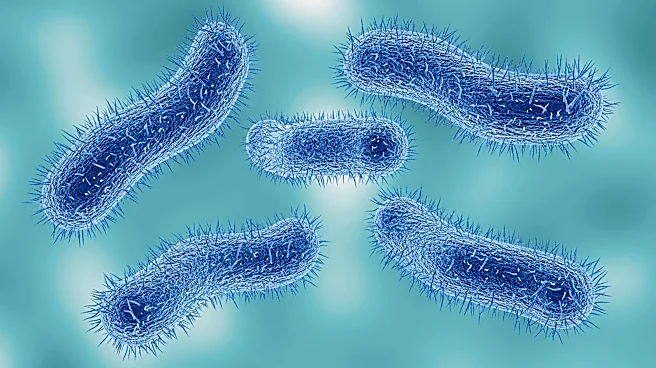
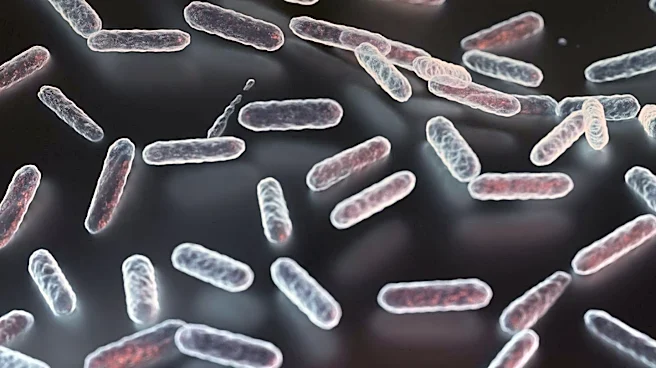
Cholera is an acute and highly infectious intestinal disease caused by the bacterium Vibrio cholerae. This bacterium is primarily transmitted through contaminated food or water, with raw seafood being
a common vector. The incubation period for cholera can range from a few hours to five days, though it typically manifests within one to two days after exposure. Many individuals who contract cholera may become asymptomatic carriers for a period of 7 to 14 days. The most severe symptom, intense diarrhea, usually occurs within the first two days of the illness and generally subsides within a week. Individuals with blood group O are identified as being at a higher risk for developing severe forms of the disease. The provided information focuses on the general characteristics and transmission of cholera, without detailing specific recent outbreaks or statistical data.
Why It's Important?
Understanding cholera is crucial for public health, particularly in regions where sanitation infrastructure may be compromised or access to clean water is limited. The rapid onset and severity of symptoms, especially intense diarrhea, can lead to severe dehydration and, if untreated, can be fatal. The fact that individuals can be asymptomatic carriers for an extended period highlights the challenge in controlling its spread, as infected persons may unknowingly transmit the bacterium. The increased risk for individuals with blood group O also points to potential genetic predispositions that could influence public health strategies and targeted interventions. Effective prevention relies on ensuring safe drinking water and food handling practices, which are fundamental to preventing widespread outbreaks and protecting vulnerable populations.
What's Next?
Given the nature of cholera transmission, ongoing efforts to improve water sanitation and hygiene practices remain paramount. Public health initiatives will likely continue to focus on educating communities about safe food preparation, the importance of boiling or treating water, and proper handwashing. Surveillance systems are essential for early detection of potential outbreaks, allowing for rapid response and containment measures. Research into cholera, including vaccine development and understanding genetic susceptibilities, will also continue to play a role in mitigating its impact. For individuals, prompt medical attention for severe diarrhea, especially after potential exposure to contaminated sources, is critical for effective treatment and recovery.
Beyond the Headlines
The persistence of cholera in various parts of the world underscores broader issues of global health equity and infrastructure development. The disease disproportionately affects communities with limited resources, highlighting the interconnectedness of health, poverty, and environmental factors. Beyond immediate medical treatment, addressing cholera requires sustainable solutions that include investment in water treatment facilities, sanitation systems, and public health education. The potential for asymptomatic carriers also raises ethical considerations regarding public health surveillance and individual privacy, particularly in managing disease spread. Ultimately, cholera serves as a stark reminder of the ongoing need for global cooperation and sustained efforts to achieve universal access to basic health necessities.