




What's Happening?
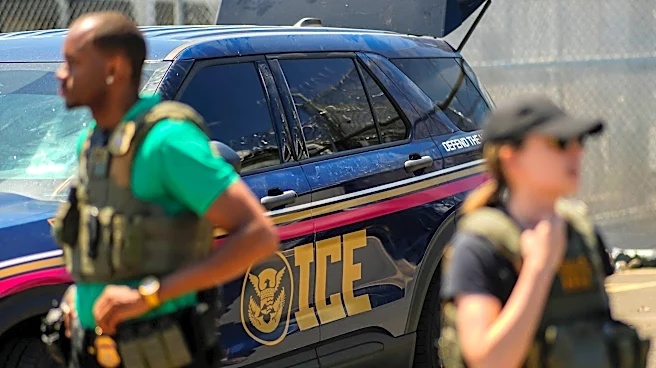
A Toledo father of seven, Nazario Vazquez, was taken into federal immigration custody following a 911 call for medical assistance. The incident began when a neighbor found Vazquez lying face down near his home and called for help. According to the neighbor,
police arrived and escalated the situation, with officers allegedly jumping on Vazquez, handcuffing him, and placing their knees on him. Vazquez's family states he has significant mobility limitations and primarily speaks Spanish. Toledo Police, however, claim Vazquez was intoxicated and was taken to the hospital, leading to charges. Although most initial charges were dismissed, Vazquez pleaded no contest to obstructing official business and was found guilty. Twelve days later, officers returned to arrest him, and he was subsequently transferred into federal immigration custody. The family is now demanding answers and requesting body camera footage of the incident, while police dispute parts of their account, asserting that Vazquez's immigration status was not a factor in their response or arrest.
Why It's Important?
This incident highlights critical issues surrounding police conduct, immigration enforcement, and community trust in Toledo. The family's demand for body camera footage and transparency underscores the ongoing public scrutiny of law enforcement interactions, particularly when individuals with language barriers or medical conditions are involved. The transfer of Vazquez into federal immigration custody after a local police encounter raises questions about the interplay between local law enforcement and federal immigration agencies, especially in cities with policies that aim to limit local resources for civil immigration enforcement. Advocates are questioning whether the chain of events conflicts with Toledo's restrictions on using city resources for such enforcement. The case could set a precedent for how similar situations are handled in the future, influencing policies on police response to medical calls involving individuals with precarious immigration statuses and the release of body camera footage in such sensitive cases.
What's Next?
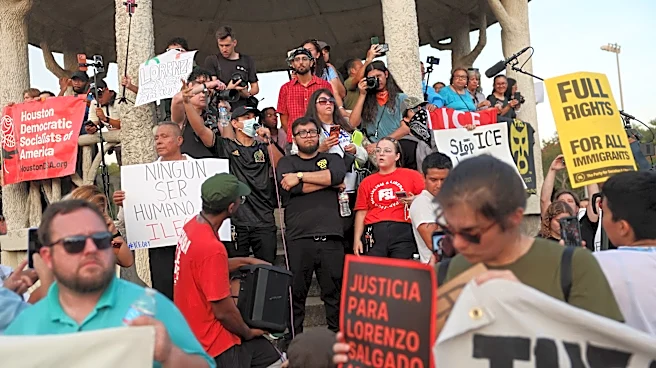
Vazquez's family and advocates are continuing to push for the release of police body camera video and greater transparency regarding the arrest. Police state that the video is not being withheld and will be released through the normal public records process. Anyone alleging misconduct can file a complaint with internal affairs. The Farm Labor Organizing Committee president, Baldemar Velasquez, is urging the police to 'undo the damage' caused by the arrest, suggesting potential legal or advocacy actions to challenge Vazquez's federal immigration custody. The outcome of the family's demands and the release of the body camera footage will likely influence public perception and could lead to further discussions or policy reviews regarding police protocols and immigration enforcement in Toledo.
Beyond the Headlines
The incident in Toledo touches upon deeper societal and ethical considerations regarding the treatment of vulnerable populations and the role of law enforcement. The family's account of police actions, contrasted with the police's narrative, highlights the persistent challenge of accountability and the need for clear, unbiased documentation of such encounters. The involvement of federal immigration authorities following a local police interaction, regardless of the initial reason for police contact, raises concerns about the 'collateral consequences' of local policing for immigrant communities. This case could fuel broader debates about sanctuary city policies, the extent to which local police should cooperate with federal immigration enforcement, and the potential chilling effect on immigrants seeking emergency services if they fear detention. It also underscores the importance of language access and cultural competency in law enforcement interactions to prevent misunderstandings and ensure equitable treatment.