
What's Happening?
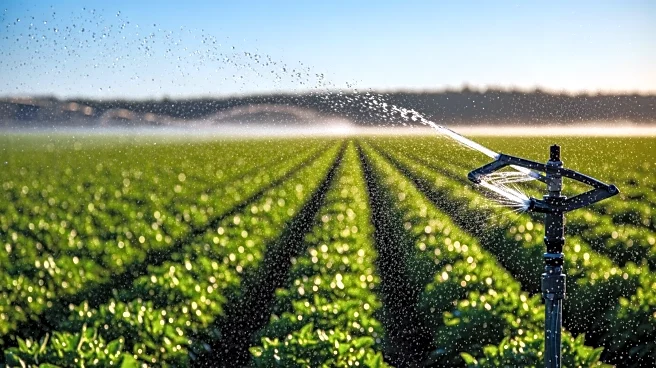
Dr. Zanele Ntshidi, Node Manager of Arid Lands at the South African Environmental Observation Network, emphasizes the importance of precision irrigation in enhancing water-use efficiency and crop resilience. Precision irrigation delivers precise amounts
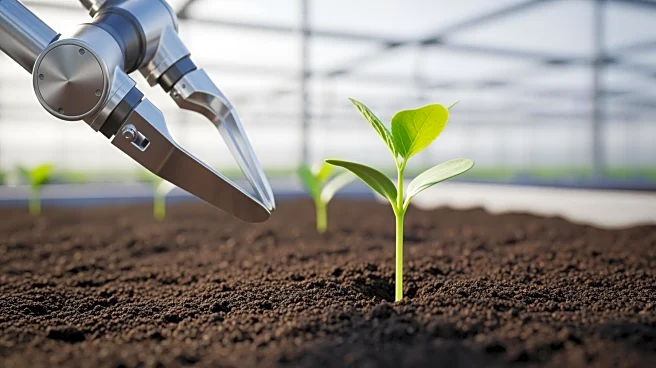
of water directly to the root zone, reducing waste and improving crop resilience against droughts and unpredictable rainfall. This approach is part of a broader precision agriculture strategy that integrates data-driven, site-specific systems to optimize resource use and improve agricultural sustainability.
Why It's Important?
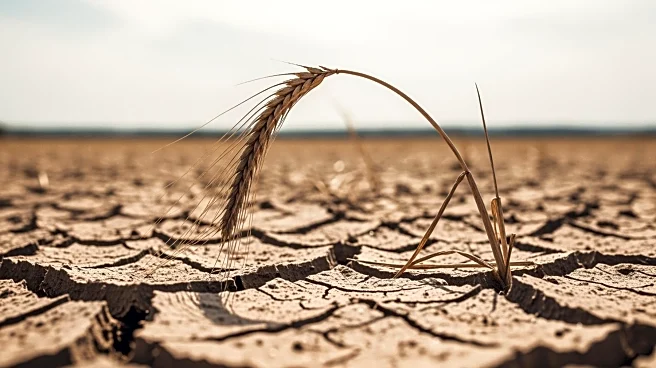
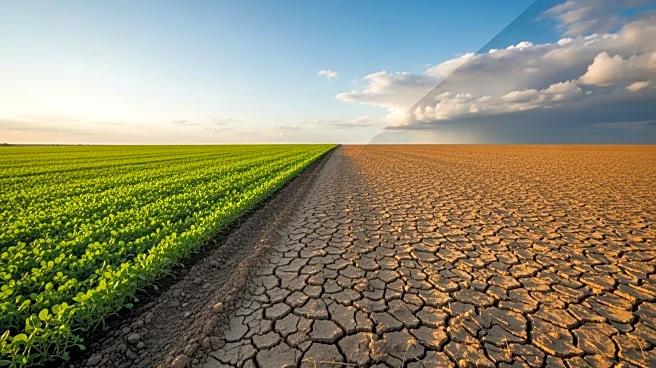
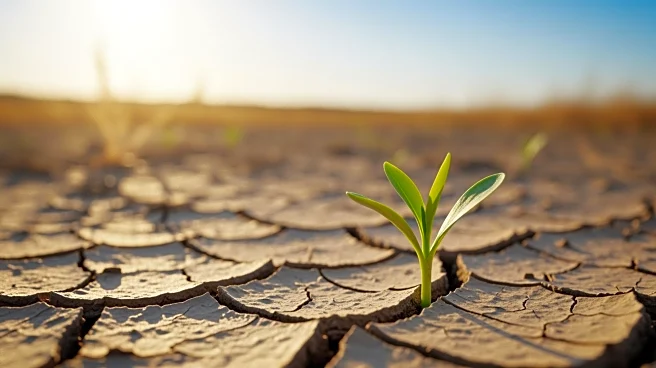
Precision irrigation is crucial for addressing water scarcity and increasing food production in semi-arid and arid regions. By improving water-use efficiency, it helps stabilize crop yields and supports sustainable agriculture. This approach not only conserves water but also reduces the carbon footprint of food production and prevents over-extraction of freshwater sources. As climate change continues to impact water availability, precision irrigation offers a viable solution for enhancing agricultural resilience and ensuring food security.
Beyond the Headlines
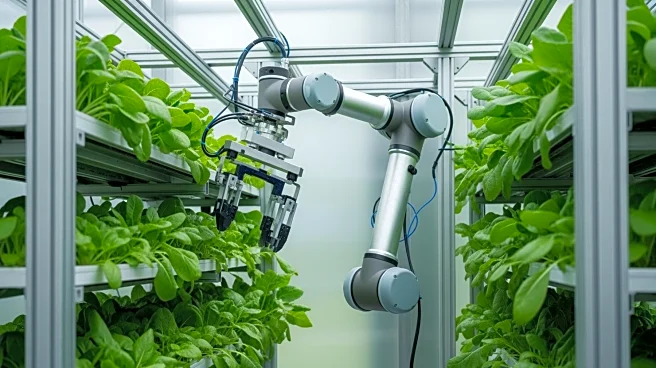
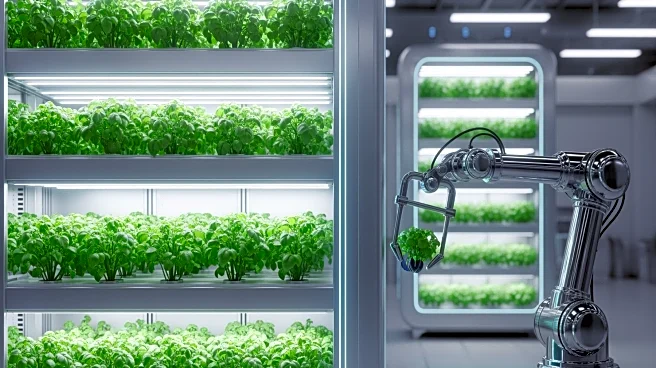
The adoption of precision irrigation reflects a shift towards more sustainable and efficient agricultural practices. It highlights the role of technology and data in transforming traditional farming methods and addressing environmental challenges. By integrating precision irrigation with other precision agriculture tools, farmers can optimize inputs, reduce risks, and improve the overall sustainability of their operations. This holistic approach underscores the potential of precision agriculture to drive innovation and resilience in the face of climate change.