







What's Happening?
Connecticut residents are bracing for a significant increase in home heating costs this winter, with projections indicating a 30% rise for heating oil, a 9% increase for electric heating, and a 6% hike for natural gas. U.S. Rep. Rosa DeLauro (D-CT-3)
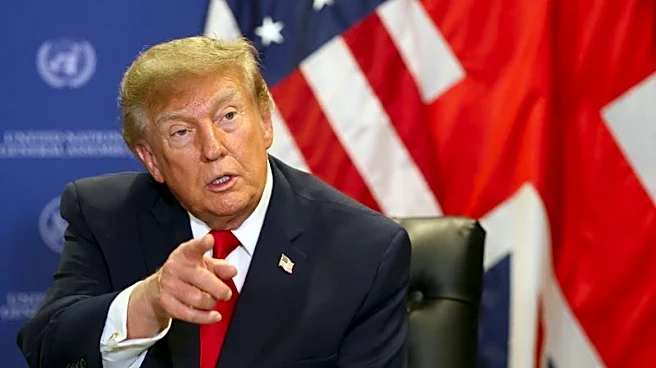
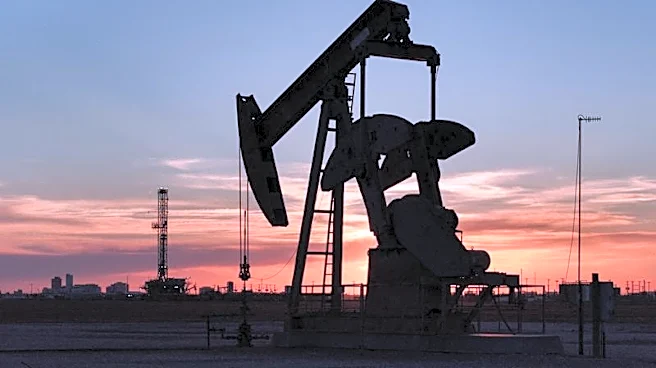
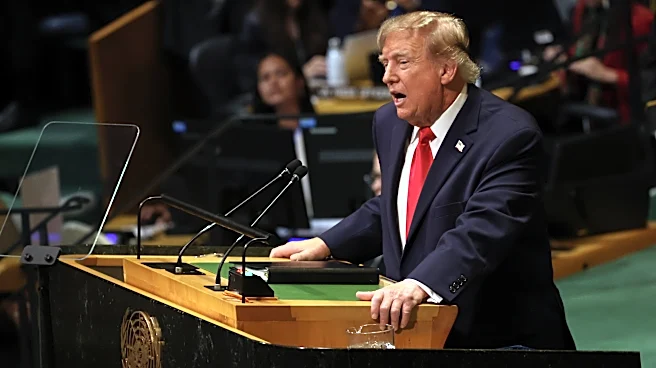
has attributed these escalating prices directly to President Trump's policies concerning Iran, specifically citing the impact on oil production in the Strait of Hormuz. According to DeLauro, the Strait, which previously handled 7 to 8 million gallons of oil daily, is now producing only about 2 million gallons, leading to a supply shortage. President Trump, however, has downplayed the higher costs, suggesting they are a necessary price to pay to prevent Iran from developing nuclear weapons. The future of the federal Low Income Home Energy Assistance Program (LIHEAP), which assists nearly 6 million households nationwide, including over 90,000 in Connecticut, remains uncertain as President Trump has repeatedly proposed its termination.
Why It's Important?
The projected surge in home heating costs poses a substantial economic burden on Connecticut households, particularly those with lower incomes. This situation highlights the direct impact of international geopolitical events and U.S. foreign policy decisions on domestic consumer expenses and household budgets. The debate over the cause of these price increases—whether due to international relations or other market dynamics—underscores the complex interplay between global energy markets and national economic stability. The potential instability of the LIHEAP program further exacerbates concerns, as its termination would remove a critical safety net for millions of vulnerable Americans struggling to afford essential heating during colder months. This issue also brings to the forefront the broader discussion about energy independence, the cost of foreign policy, and the government's role in mitigating economic hardship for its citizens.
What's Next?
As winter approaches, Connecticut residents will face the immediate challenge of managing higher heating bills. The ongoing debate regarding the LIHEAP program's future will likely continue in Congress, with advocates pushing for its preservation and stable funding to support low-income families. State and local community action agencies in Connecticut will continue to administer the LIHEAP program, with an anticipated 3% growth in eligible households this winter, bringing the total to approximately 94,291. The demand for assistance is expected to be high, with over 8,000 applications already received. The broader implications of U.S. foreign policy on global oil supplies and domestic energy prices will remain a significant point of discussion and potential policy adjustment, especially as the economic impact becomes more pronounced for consumers.
Beyond the Headlines
This situation extends beyond mere economic statistics, touching upon issues of energy security, social equity, and the political accountability of foreign policy decisions. The reliance on global oil markets makes domestic consumers vulnerable to international tensions, raising questions about the long-term viability of current energy strategies. The struggle of low-income households to afford basic necessities like heating also highlights persistent social inequalities and the critical role of federal assistance programs. Furthermore, the differing perspectives from Rep. DeLauro and President Trump on the cause and significance of rising energy costs underscore the partisan divide in interpreting economic impacts and policy effectiveness. This scenario could fuel public discourse on sustainable energy alternatives and the need for policies that insulate domestic consumers from the volatility of global energy politics.