





What's Happening?
New York City is currently experiencing a significant increase in bike thefts, with a nearly 120% rise in the past six months, according to NYPD data analyzed by Holland Bikes. While the total number of bike thefts citywide is still lower than last year,
the recent surge, particularly during summer months, is narrowing this gap. Manhattan has been the most affected borough, reporting 748 thefts this year compared to Brooklyn's 497. The majority of these incidents, approximately two-thirds, occur on city streets, with only 17% happening at owners' homes. The peak hours for thefts are between 8 and 9 p.m. The NYPD is actively working to combat this trend by encouraging cyclists to register their bikes through its Bicycle Registration Program. This program involves engraving a serial number onto the bike and applying a decal that, if removed, reveals the word 'void,' signaling to police that the bike is stolen and allowing them to track the owner.
Why It's Important?
The escalating rate of bike thefts in New York City has direct implications for urban mobility, personal property security, and the local economy. For residents, the increased risk of theft can deter bike commuting, impacting efforts to promote sustainable transportation and reduce traffic congestion. Businesses, particularly those in the bike rental and sales sectors, may face challenges due to heightened security concerns and potential losses. The NYPD's Bicycle Registration Program is a crucial initiative, as it provides a tangible method for owners to recover stolen bikes and acts as a deterrent for thieves. The data highlighting specific times and locations of thefts offers valuable insights for both law enforcement and cyclists, enabling more targeted prevention strategies. The prevalence of grand larceny cases, involving higher-value bikes and e-bikes, also points to a more organized criminal element, suggesting a need for broader law enforcement efforts beyond individual prevention.
What's Next?
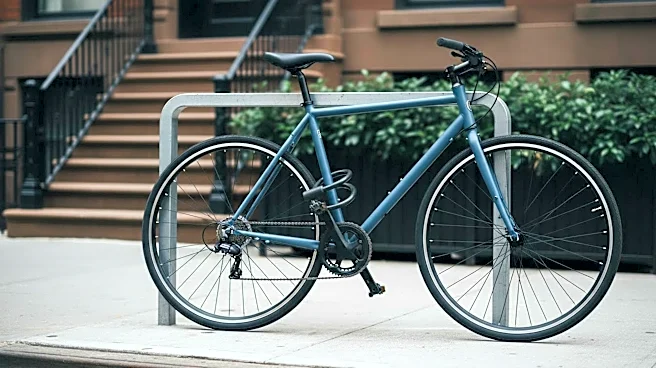
The NYPD will likely continue to promote its Bicycle Registration Program and potentially increase patrols in high-theft areas, particularly in Manhattan and during peak evening hours. Cyclists are advised to adopt enhanced security measures, such as using high-rated U-locks through both the bike frame and a wheel, securing bikes to immovable racks in well-lit, high-traffic areas with CCTV, and avoiding leaving bikes in the same public spot overnight. The effectiveness of the registration program will depend on widespread participation from the cycling community. Further analysis of theft patterns, including the types of bikes targeted and the methods used by thieves, could lead to the development of more sophisticated prevention techniques and public awareness campaigns. Collaboration between law enforcement, local businesses, and community groups may also be explored to create a more secure environment for cyclists.
Beyond the Headlines
The rise in bike thefts reflects broader urban challenges related to property crime and public safety. Beyond the immediate financial loss for victims, such incidents can erode public trust in urban security and impact the quality of life in affected neighborhoods. The shift in theft locations from homes to public streets suggests that opportunistic crime is a significant factor, but the high percentage of grand larceny cases indicates that more valuable bikes are being targeted, possibly for resale. This trend could also highlight gaps in urban planning regarding secure bike parking infrastructure. The NYPD's registration program, while practical, also touches upon the evolving role of technology in crime prevention and recovery. The 'void' decal system is an innovative approach to marking stolen property, demonstrating how simple technological solutions can aid law enforcement in a low-tech crime like bike theft. The ongoing challenge will be to balance convenience for cyclists with effective security measures.