









What's Happening?
The Juneau Assembly is scheduled to consider the next steps for the Telephone Hill redevelopment project on Monday. A revised timeline for the project now anticipates a potential agreement with a developer by the fall of 2027. The draft Request for Qualifications
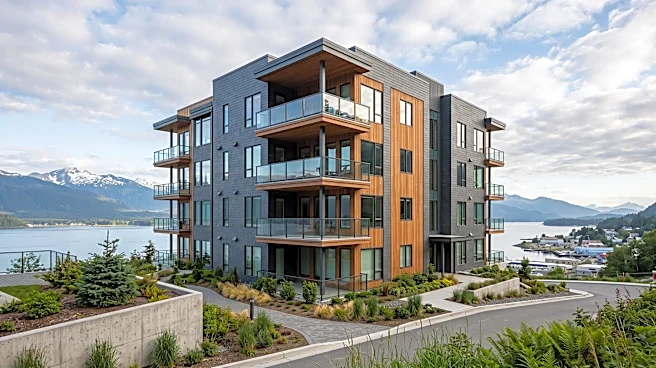
(RFQ) outlines key goals, including the construction of up to 155 housing units in downtown Juneau, with a target of 30 units being affordable for households earning 80% of the area median income. The City and Borough of Juneau (CBJ) remains open to proposals with varying mixes of affordable and market-rate units, provided some affordable options are included. Additionally, the plan aims to create or preserve open spaces and recreation areas and develop a project attractive to mixed-income groups, including the local workforce and seniors. This redevelopment effort has faced delays, including a civil lawsuit filed against the city by some evicted residents, with a trial set for December 14. City officials intend to proceed with the redevelopment process despite the ongoing legal proceedings.
Why It's Important?
This redevelopment project is crucial for Juneau as it seeks to address a significant housing shortage, a problem exacerbated by the planned homeporting of a U.S. Coast Guard icebreaker, which will bring up to 340 crew and family members to the city. The creation of up to 155 new housing units, including affordable options, could alleviate pressure on the local housing market and support the growing population. The inclusion of open spaces and mixed-income housing aims to foster a vibrant and inclusive community. However, the project's controversial nature, stemming from the eviction of residents and the ongoing lawsuit, highlights the tension between urban development and community preservation. The outcome of the Assembly's review and the civil lawsuit will significantly influence the project's future, potentially setting precedents for similar urban renewal initiatives in other U.S. cities facing housing crises.
What's Next?
If the Juneau Assembly approves the revised timeline, city staff will formally publish the RFQ next week, keeping it open for at least 60 days. The timeline projects Assembly review of proposals in February, finalization of terms with a developer by staff during the spring, a public hearing on the proposed agreement in July, and a final deal in September or October. The Committee of the Whole meeting, where these steps will be discussed, will not include public testimony, though email comments can be submitted. The civil lawsuit filed by evicted residents against the city is scheduled for trial on December 14, which means bidders will still be submitting proposals while the trial is underway. The city has installed fencing around the vacated homes on Telephone Hill to secure the properties and prevent unauthorized entry and damage.
Beyond the Headlines
The Telephone Hill redevelopment project touches upon broader themes of urban gentrification, affordable housing, and the balance between historical preservation and modern development needs. Opponents of the project, including former residents, advocate for protecting historic homes and question the impact of higher-density housing on the area. This conflict underscores the challenges faced by many U.S. cities as they grapple with housing shortages and economic growth. The legal battle initiated by evicted residents raises questions about property rights, due process, and the ethical responsibilities of municipal governments in redevelopment projects. The project's resolution could influence how other communities approach similar issues, particularly in areas experiencing rapid population growth or significant economic shifts, such as those driven by federal investments like the Coast Guard homeporting.