



What's Happening?
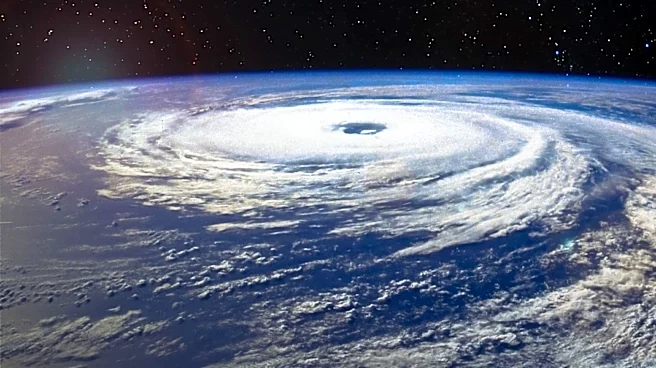
The World Meteorological Organization (WMO) has confirmed that the current El Niño event is intensifying into a very strong 'Super El Niño.' This phenomenon, characterized by warmer-than-average sea temperatures in the eastern and central equatorial Pacific
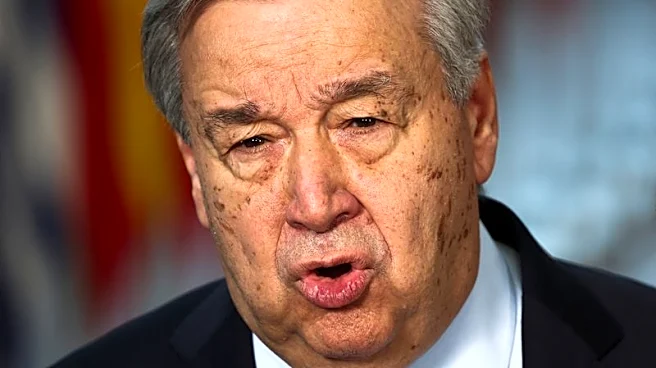
Ocean, is expected to have significant global impacts on rainfall and temperature patterns. Forecasts indicate that sea surface temperatures could rise to more than 3°C above average, potentially peaking near 4°C in the coming months, with December being a critical period. This year's El Niño is projected to be the largest in centuries, with Professor Adam Scaife, head of long-range forecasting at the Met Office, describing the intensity as 'unprecedented.' The WMO Secretary-General, Celeste Saulo, emphasized that this exceptional El Niño demands exceptional preparation and response due to its potential to deliver a 'massive blow' to communities and economies worldwide. The UN Secretary-General, António Guterres, also warned that El Niño is 'being supersized before our eyes,' highlighting the urgency of the situation.
Why It's Important?
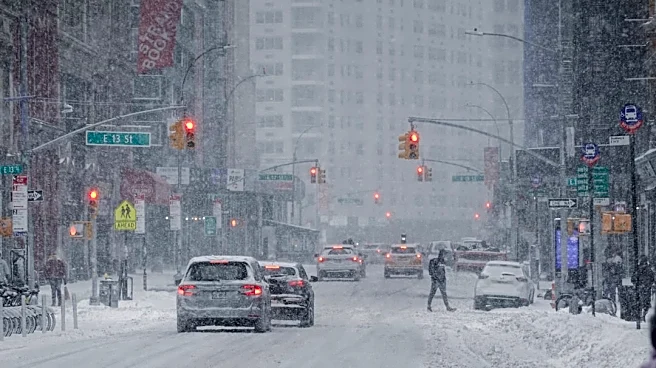
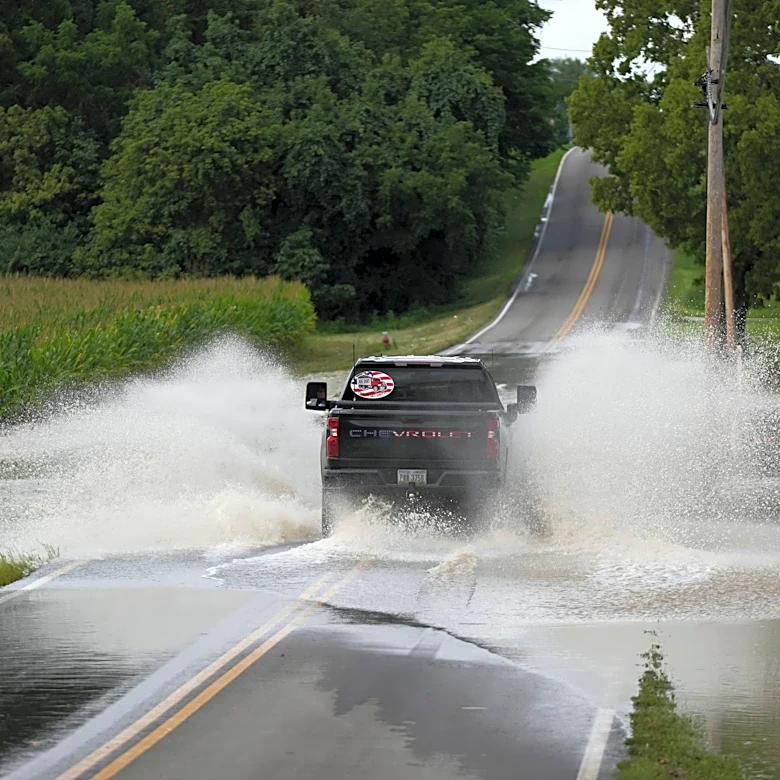
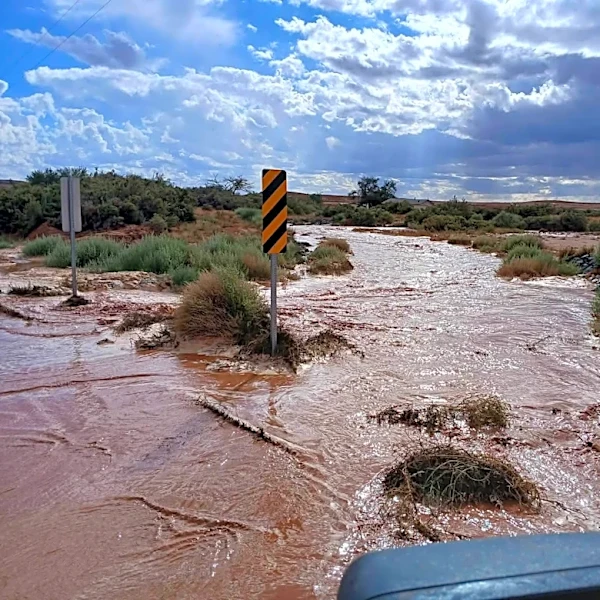
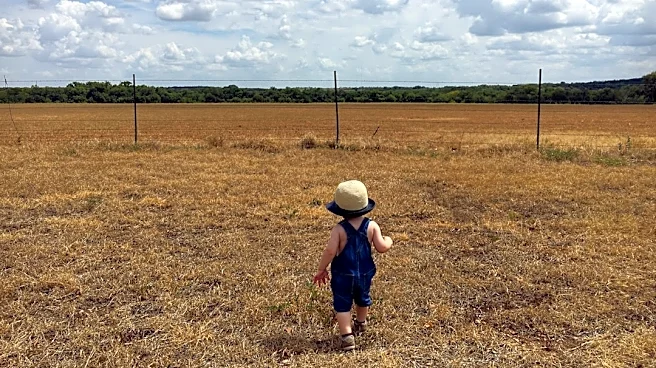
The intensification of this 'Super El Niño' carries profound implications for global weather patterns and, consequently, for various sectors. The WMO anticipates increased risks of floods, droughts, and extreme heat across the world. For the United States, this could mean significant shifts in winter weather, with some states potentially experiencing warmer-than-usual temperatures and a reduced chance of a 'white Christmas,' particularly in the eastern regions. Beyond immediate weather impacts, the global disruptions caused by El Niño can affect international supply chains, leading to potential increases in food and energy prices. Regions like the Amazon basin, Southern Africa, and eastern Australia are expected to face droughts, while the southwestern U.S., East Africa, and southeast China could experience heavy rain and flooding. These far-reaching consequences underscore the interconnectedness of global climate systems and their direct impact on economic stability and societal well-being, necessitating proactive measures from governments and industries.
What's Next?
As the 'Super El Niño' continues to intensify, peaking in December, the immediate future will likely see a surge in extreme weather events globally. Governments and communities are urged to prepare for increased risks of floods, droughts, and heatwaves. The Met Office predicts wetter, stormier conditions for the UK throughout autumn and winter, which could lead to flooding and strong winds, impacting homes, businesses, and travel. Similarly, the U.S. will need to monitor regional weather shifts, particularly concerning snow accumulation and temperature anomalies. Experts suggest that 2027 is very likely to surpass 2024 as the warmest year on record, temporarily exceeding 1.5°C above the pre-industrial period. This ongoing warming trend, exacerbated by the El Niño, will necessitate continuous monitoring and adaptation strategies to mitigate its effects on agriculture, infrastructure, and public health. The global community will need to enhance coordination and resource allocation to address the humanitarian and economic challenges posed by these extreme weather patterns.
Beyond the Headlines
The 'Super El Niño' highlights a deeper, less obvious implication: the increasing frequency and intensity of extreme weather events due to climate change. While El Niño is a natural phenomenon, its 'supersized' nature this year, as noted by UN Secretary-General António Guterres, suggests a dangerous synergy with ongoing global warming. This event serves as a stark reminder that the planet is entering 'uncharted waters,' where the interplay between natural climate cycles and human-induced climate change creates unprecedented challenges. The potential for widespread disruption to food supply chains and energy security, even in seemingly distant regions, underscores the global interconnectedness of climate impacts. This situation calls for a re-evaluation of long-term climate adaptation strategies and a renewed commitment to climate action, emphasizing the need for robust international cooperation and investment in resilient infrastructure and early warning systems to protect vulnerable populations and economies from future climate shocks.