





What's Happening?
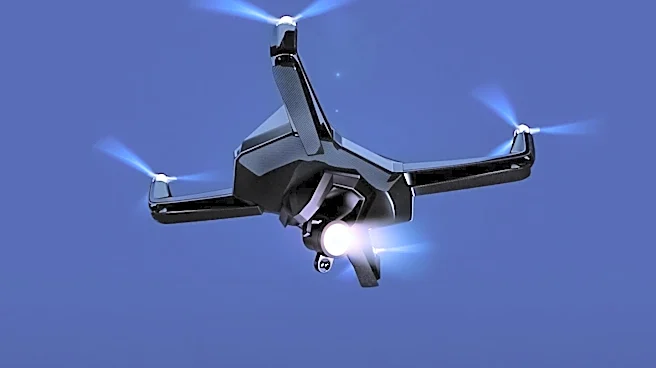
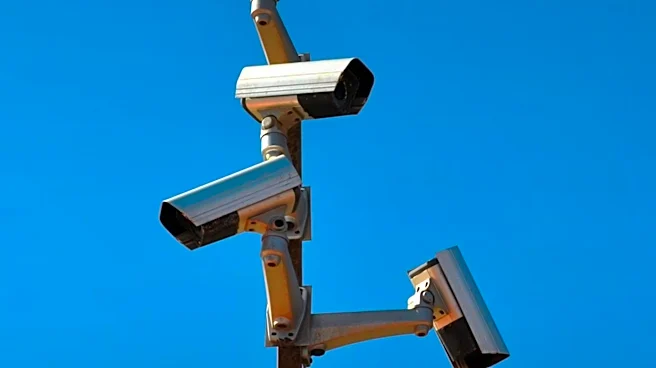
A suspected burglar was apprehended in San Diego after a tactical drone was deployed inside a home to track his movements. Security cameras initially captured the suspect breaking into the residence through a second-story window. Before the drone deployment,
a friendly dog inside the home reportedly greeted the intruder with toys. The drone's use allowed law enforcement to monitor the suspect's location within the house, leading to his eventual arrest. This incident highlights the increasing integration of drone technology in police operations for tracking and apprehending suspects in complex environments like residential buildings. The specific details of the dog's interaction and the drone's role in the arrest were key elements of the report.
Why It's Important?
The deployment of a tactical drone in a residential setting for suspect apprehension signifies a notable advancement in law enforcement's use of technology. This method can enhance officer safety by providing real-time intelligence on an intruder's location and movements, potentially reducing direct confrontation risks. For the public, it demonstrates an evolving approach to home security and crime response, where technology plays a more immediate and active role. The incident also raises broader discussions about privacy and the acceptable scope of drone use in domestic spaces, even in pursuit of criminal suspects. The effectiveness shown in this case could encourage wider adoption of similar tactics by police departments across the U.S., impacting how home invasions are addressed and how law enforcement resources are allocated.
What's Next?
Following the arrest, the suspect will face legal proceedings related to the alleged burglary. The use of drone footage as evidence in court will likely be a component of the prosecution's case. This incident may also prompt further evaluation and potential expansion of drone programs within the San Diego Police Department and other U.S. law enforcement agencies. Discussions around the protocols and legal frameworks governing the use of tactical drones in residential areas are also anticipated, especially concerning privacy rights and the circumstances under which such technology can be deployed. The outcome of this case could set precedents for future applications of drone technology in similar law enforcement scenarios.
Beyond the Headlines
This event touches upon the evolving relationship between technology, public safety, and individual privacy. The use of drones, while effective in this instance, opens a Pandora's Box of ethical and legal considerations. As drone technology becomes more sophisticated and accessible, the line between surveillance for security and intrusion into private life becomes increasingly blurred. This incident could fuel debates on the necessity of clear legislative guidelines for drone deployment by law enforcement, balancing the need for effective crime fighting with the protection of civil liberties. It also subtly highlights the role of domestic animals in unexpected ways during criminal events, adding a unique human-interest dimension to the technological narrative.