







What's Happening?
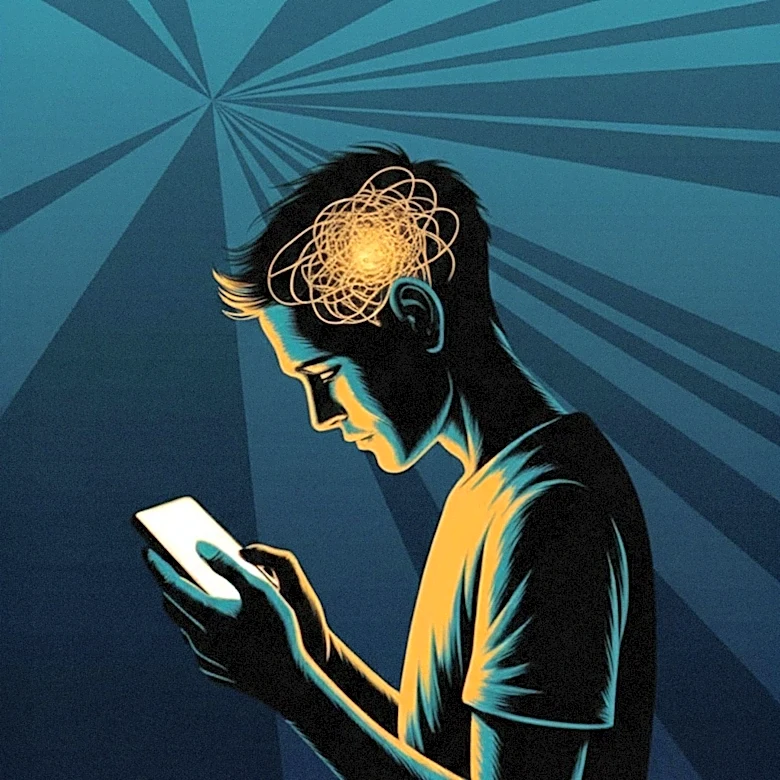
Cyberchondria is characterized as the compulsive and repeated online search for health information, which, contrary to its intent, intensifies anxiety and distress. This phenomenon is closely linked to health anxiety, where individuals frequently misinterpret
normal bodily sensations as indicators of severe illnesses. The ease of access to vast amounts of information online significantly exacerbates this condition, often leading individuals to immediately assume worst-case scenarios for their symptoms. This issue is particularly relevant in patient education, highlighting the need for effective strategies to manage the psychological impact of online health searches. The condition is not about faking illness but involves genuine fear and panic, often leading to constant body checking or, conversely, avoidance of medical facilities. It can emerge in early adulthood and affects men and women equally.
Why It's Important?
The rise of cyberchondria has significant implications for public health and the healthcare system. It can lead to an increased burden on emergency services and medical professionals due to unnecessary visits and tests, as individuals seek constant reassurance for perceived ailments. This behavior not only strains resources but can also expose patients to potentially harmful, invasive procedures that are not medically indicated. Furthermore, cyberchondria can severely impact an individual's quality of life, leading to absenteeism from work, impaired social relationships, and a general inability to focus on daily activities. The constant cycle of searching for symptoms and receiving temporary relief, only for doubts to resurface, creates a chronic state of anxiety that requires professional intervention. Understanding and addressing cyberchondria is crucial for promoting mental well-being and optimizing healthcare resource allocation.
What's Next?
Addressing cyberchondria typically involves a multifaceted approach, with Cognitive Behavioral Therapy (CBT) being a cornerstone of treatment. CBT helps individuals identify and challenge their catastrophic interpretations of bodily sensations, replacing them with more realistic thoughts. Therapists guide patients to gradually reduce anxiety-driven behaviors, such as excessive online symptom searching or frequent self-checks. In cases of severe anxiety that impair daily functioning, medication, particularly selective serotonin reuptake inhibitors (SSRIs), may be prescribed to help balance brain chemistry and facilitate engagement with therapy. Home care strategies, including regular exercise, good sleep hygiene, and relaxation techniques like meditation, also play a vital role in recovery. Family involvement and education are crucial to providing a supportive environment and accelerating the healing process. The goal is to empower individuals to manage their health concerns without falling into the trap of obsessive online research.
Beyond the Headlines
The proliferation of online health information, while seemingly beneficial, presents a complex ethical and psychological challenge. The internet's algorithmic nature often prioritizes sensational or worst-case scenarios, inadvertently fueling health anxiety rather than alleviating it. This raises questions about the responsibility of search engines and health information platforms to present balanced and context-sensitive information. The phenomenon also underscores a broader societal shift in how individuals perceive and interact with health information, moving from reliance on medical professionals to self-diagnosis via digital platforms. This shift necessitates a re-evaluation of digital literacy in health, emphasizing critical thinking and the importance of consulting qualified healthcare providers. The long-term implications could include a generation more prone to health anxiety, requiring innovative public health campaigns and digital tools designed to promote accurate health understanding and reduce cyberchondria.