









What's Happening?
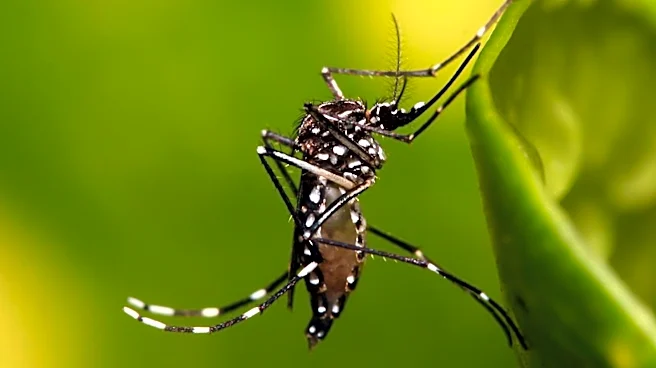
Sri Lanka is ramping up its efforts to combat the spread of dengue fever, a mosquito-borne disease, as the death toll reaches 49 since the beginning of the year. The government has deployed military forces to identify and eliminate mosquito breeding sites,
particularly in the capital Colombo and surrounding districts. The initiative will see a doubling of medical staff and security personnel involved in the campaign. Official data indicates a significant increase in dengue cases, with over 61,000 infections reported in the first half of the year, more than double the previous year's figures.
Why It's Important?
The surge in dengue cases in Sri Lanka highlights the growing public health challenge posed by mosquito-borne diseases, exacerbated by climate change. The World Health Organization has warned of the rapid spread of such viruses, which can overwhelm healthcare systems and lead to significant economic and social impacts. The intensified efforts by Sri Lanka's government reflect the urgent need to address these health threats to prevent further loss of life and strain on medical facilities.
What's Next?
Sri Lanka's government will continue to monitor the effectiveness of its anti-dengue measures, potentially expanding the campaign to other affected areas. The international community may offer support through funding or expertise to help control the outbreak. Long-term strategies may include public education on preventing mosquito breeding and improving urban sanitation to reduce stagnant water sources.
Beyond the Headlines
The situation in Sri Lanka underscores the broader implications of climate change on global health, as rising temperatures and changing weather patterns create favorable conditions for mosquito proliferation. This highlights the need for integrated approaches combining public health, environmental management, and climate adaptation strategies to combat vector-borne diseases.