







What's Happening?
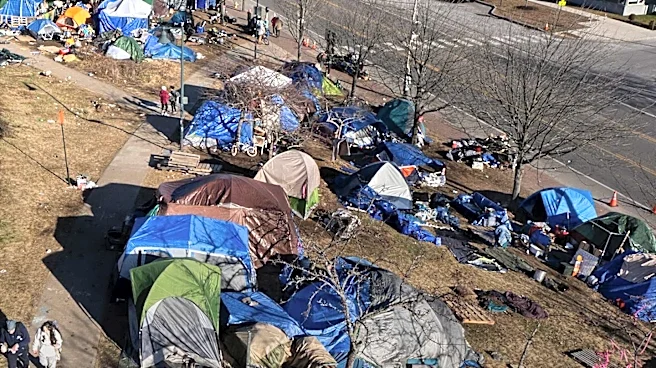
San Francisco is reevaluating its rapid rehousing program following a city report that revealed 49% of participants became homeless again after their subsidies ended. The program, initiated in 2006 by then-Mayor Gavin Newsom, provides rental subsidies averaging
$1,600 per month to homeless adults through nonprofits, with the aim of reducing the subsidy as participants find work. Subsidies typically last two years. The city's controller's office had not evaluated the program until now, finding that outcomes varied significantly, with single adults and those with mental or medical vulnerabilities faring the worst. Specifically, 57% of single adults and 62% of individuals with four or more vulnerabilities (including mental illness, substance abuse, or chronic medical conditions) returned to homelessness. The Department of Homelessness and Supportive Housing plans to use these findings to redesign the program by April 2029, focusing on better matching individuals with appropriate support, especially those with significant vulnerabilities.
Why It's Important?
The findings from San Francisco's rapid rehousing program highlight critical challenges in addressing homelessness, particularly for vulnerable populations. The high rate of participants returning to homelessness after subsidies cease indicates that temporary financial assistance alone may be insufficient without comprehensive wraparound services. This is particularly true for single adults and those with mental health or substance abuse issues, who often require more intensive, long-term support to achieve stable housing and employment. The report underscores the need for a more nuanced approach to homelessness interventions, moving beyond a one-size-fits-all model. While rapid rehousing is less expensive than permanent supportive housing, the high recidivism rate suggests that the initial cost savings may be offset by the long-term societal and economic burdens of repeated homelessness. The reevaluation of the program could lead to significant policy changes in San Francisco and potentially influence other cities grappling with similar issues, emphasizing the importance of tailored support and robust follow-up services.
What's Next?
San Francisco's Department of Homelessness and Supportive Housing plans to unveil a newly designed rapid rehousing program by April 2029, incorporating the report's recommendations. A key focus will be reevaluating how individuals with mental illness or substance abuse disorders are matched with housing, suggesting a shift towards more individualized and needs-based placements. The department also aims to clarify expectations for long-term stability with case managers, strengthen workforce training programs, and ensure participants have access to other subsidized housing programs after their vouchers expire. This overhaul is part of Mayor Daniel Lurie’s broader initiative to reform the city's homelessness department's contracting system, aiming to base contracts on results to improve the overall response to the homelessness crisis. The ongoing contracts with 12 nonprofits will continue, but future funding and program design will be informed by these new insights, potentially leading to a more effective and sustainable approach to housing the city's homeless population.
Beyond the Headlines
The San Francisco report on rapid rehousing touches upon deeper societal issues related to the intersection of homelessness, mental health, and economic stability. The finding that a significant portion of participants, especially those with multiple vulnerabilities, return to homelessness after assistance ends, points to systemic gaps in support services. It raises questions about the adequacy of current social safety nets and the long-term effectiveness of programs that primarily offer temporary financial aid without addressing underlying issues such as chronic health conditions, lack of job skills, or mental health crises. The report implicitly calls for a more integrated approach that combines housing subsidies with robust healthcare, mental health services, and employment support. The experience of individuals like Edith Alcaraz, who worries about affording rent after subsidies end, highlights the precariousness faced by many and the need for sustainable pathways out of homelessness, rather than just temporary relief. This situation reflects a broader national challenge in designing and implementing effective solutions for complex social problems.