





What's Happening?
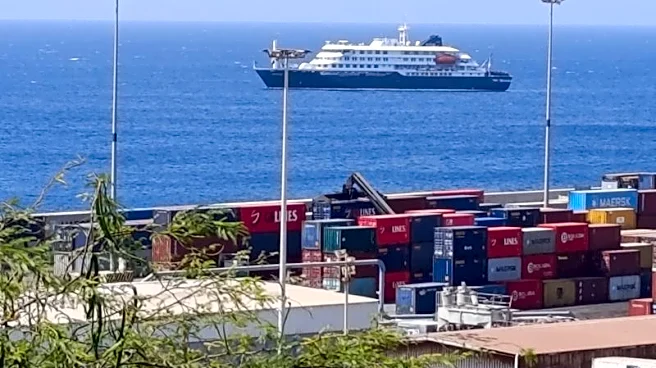
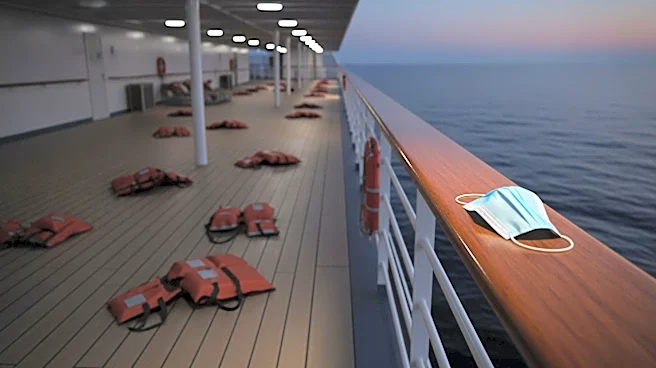
A Dutch cruise ship, the MV Hondius, is currently anchored off the coast of Cape Verde after a suspected hantavirus outbreak resulted in the deaths of three passengers and left at least three others seriously ill. The ship, which was on a polar cruise from
Argentina to Antarctica, has 150 people on board, including 17 Americans. The World Health Organization (WHO) and the ship's operator are coordinating efforts to manage the situation. The outbreak has led to the death of passengers from the Netherlands and Germany, with one British passenger in critical condition in South Africa. The ship is awaiting permission to disembark passengers and crew for medical assistance.
Why It's Important?
The outbreak of hantavirus on a cruise ship highlights the challenges of managing infectious diseases in confined environments. This situation underscores the importance of rapid response and international cooperation in public health emergencies. The presence of American passengers on board brings the issue closer to home, raising concerns about potential exposure and the need for vigilance in monitoring and controlling the spread of infectious diseases. The incident also serves as a reminder of the risks associated with international travel and the need for stringent health protocols.
What's Next?
The cruise ship is seeking assistance from Cape Verdean authorities to evacuate those in need of urgent medical care. If permission is not granted, the ship may head to the Spanish islands of Las Palmas or Tenerife. The WHO is conducting a full public health risk assessment and coordinating with local authorities to manage the situation. Further laboratory testing and epidemiological investigations are ongoing to confirm the presence of hantavirus and prevent further spread. The Dutch Foreign Ministry is exploring evacuation options for affected individuals.
Beyond the Headlines
The hantavirus outbreak on the MV Hondius raises questions about the adequacy of health measures on cruise ships and the potential for similar incidents in the future. The situation also highlights the need for improved communication and coordination among international health organizations and governments to address public health threats. Additionally, the incident may lead to increased scrutiny of cruise ship operations and the implementation of more rigorous health and safety protocols to protect passengers and crew.