
What's Happening?
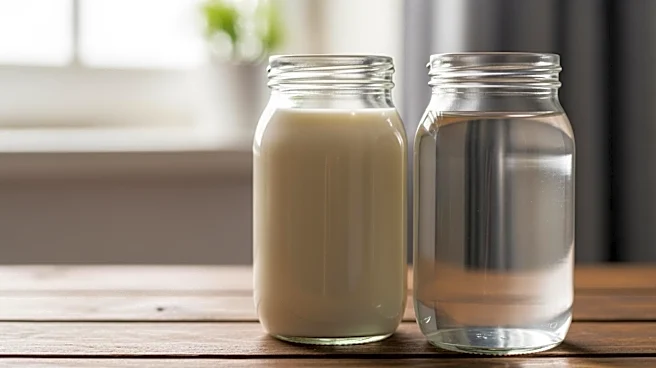
A recent letter to the editor in the Los Angeles Times highlights ongoing public debate over the safety of raw milk, as more than three dozen bills supporting its sale are currently in state legislatures.
The letter references historical concerns about raw milk, citing a 1937 family letter that expressed fears of typhoid from improperly handled milk. Despite advancements in food safety, some individuals continue to reject scientific consensus on the risks associated with raw milk consumption. The letter's author laments the rejection of science by some modern consumers, noting the historical prevalence of disease before pasteurization became widespread.
Why It's Important?
The debate over raw milk reflects broader tensions between traditional practices and modern food safety standards. Proponents of raw milk argue for consumer choice and the perceived health benefits of unprocessed foods, while public health officials warn of the risks of bacterial contamination. This issue is part of a larger conversation about food regulation, consumer rights, and the role of science in public policy. The outcome of legislative efforts to legalize raw milk sales could have implications for public health, regulatory frameworks, and consumer education. Understanding the historical context of food safety can inform current discussions and policy decisions.