


What's Happening?
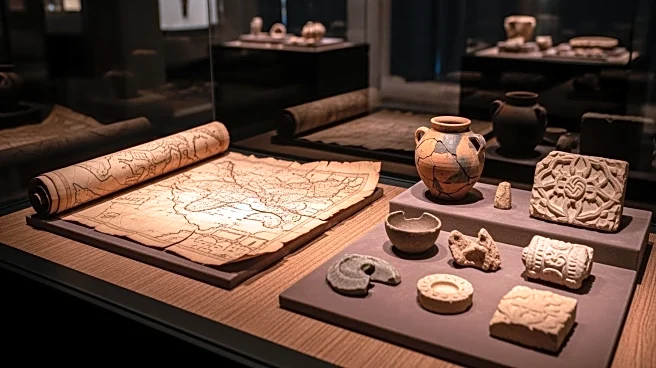
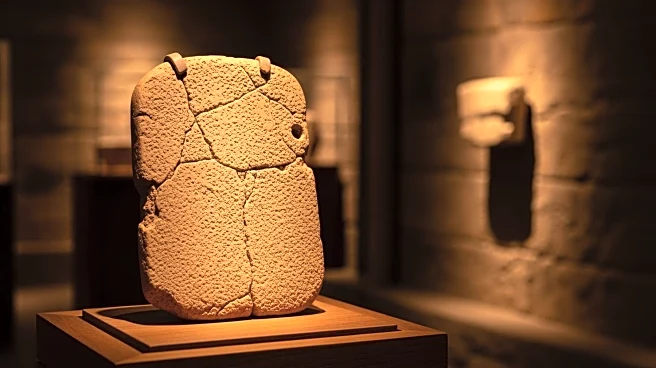
The Rockefeller Archaeological Museum in Jerusalem has reopened to the public with new guided tours, following closures due to the coronavirus pandemic and recent conflicts. The museum, which first opened in 1938, is renowned for its extensive collection
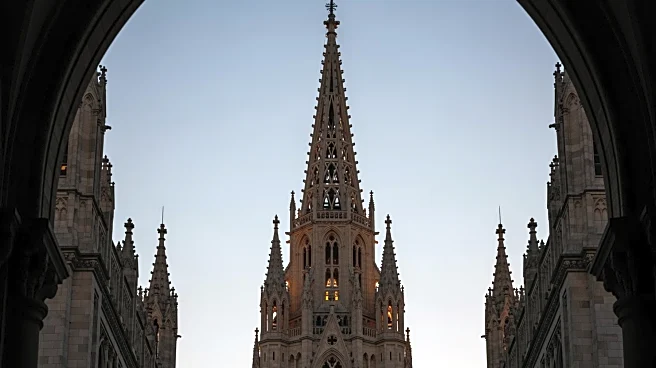
of artifacts from the First Temple period and other significant historical eras. The tours are organized by the Tower of David Jerusalem Museum, and they aim to make the museum's treasures more accessible to the public. The museum houses a variety of artifacts, including a life-size statue of Pharaoh Ramesses III and a large mosaic from a synagogue near Nazareth. The building itself, designed by British architect Austen St. Barbe Harrison, is considered a work of art, featuring architectural inspirations from various cultures. Despite its historical significance, the museum requires upgrades, as it lacks central heating and air conditioning.
Why It's Important?
The reopening of the Rockefeller Museum is significant for cultural preservation and education, offering insights into the rich history of Jerusalem and the broader region. The museum's collection provides a tangible connection to ancient civilizations, enhancing understanding of historical events and cultural developments. The initiative to reopen the museum with guided tours reflects a commitment to preserving and sharing cultural heritage, which is crucial for fostering historical awareness and appreciation among both locals and tourists. Additionally, the museum's reopening can contribute to the local economy by attracting visitors and promoting cultural tourism in Jerusalem.
What's Next?
The museum's management plans to continue offering guided tours in both Hebrew and English, aiming to reach a diverse audience. There is also a need for infrastructure improvements to enhance visitor comfort and preserve the artifacts. The museum's strategic location and historical significance may attract further interest from cultural and educational institutions, potentially leading to collaborations for exhibitions and research. As the museum gains more visitors, there may be increased efforts to secure funding for necessary upgrades and to expand its educational programs.