
What's Happening?
A recent study conducted by researchers at the University of Oregon and the State University of New York Upstate Medical University suggests that allowing teenagers to sleep in on weekends can significantly
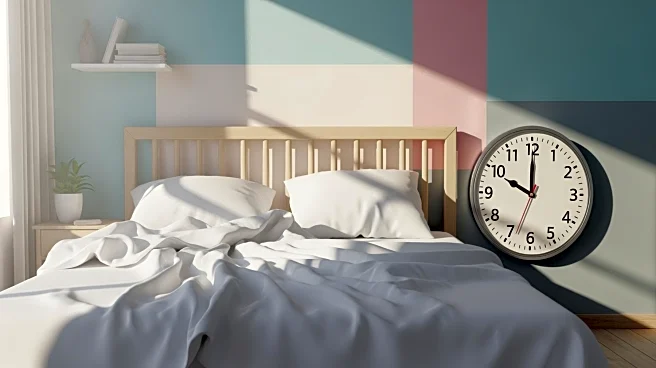
reduce their risk of depression. The study focused on individuals aged 16 to 24 and found that those who caught up on sleep during weekends were 41% less likely to report depressive symptoms compared to those who did not. The research highlights the natural tendency of teenagers to be night owls due to shifts in their circadian rhythms during puberty, which often results in insufficient sleep during weekdays. The study involved participants reporting their sleep patterns and emotional well-being, revealing that weekend catch-up sleep could offer a protective effect against depression.
Why It's Important?
This study underscores the importance of adequate sleep for teenagers, a demographic particularly vulnerable to depression. With depression being a leading cause of disability among young people, the findings suggest that simple adjustments in sleep habits could have significant mental health benefits. The research provides a practical approach for parents and educators to support adolescent mental health by acknowledging the biological changes in sleep patterns during puberty. By allowing teens to sleep in on weekends, families can help mitigate the negative effects of sleep deprivation, potentially improving academic performance and overall well-being.
What's Next?
The study's findings may influence future recommendations for adolescent sleep schedules, encouraging schools and parents to consider more flexible start times or weekend sleep-ins as part of mental health strategies. Further research could explore the long-term benefits of weekend catch-up sleep and its impact on other aspects of adolescent health and development. Policymakers and educators might also use this information to advocate for changes in school start times to better align with teenagers' natural sleep cycles.