







What's Happening?
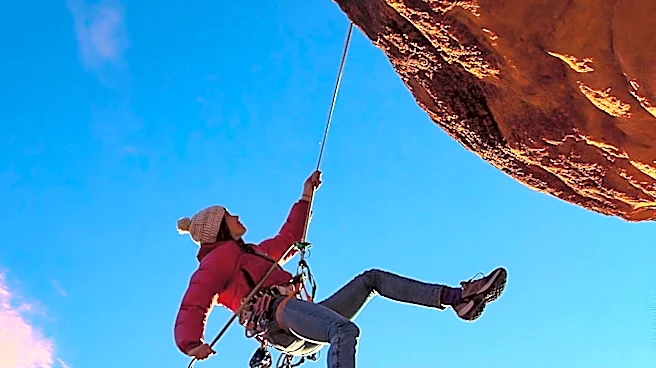
William Carron, a 30-year-old solo climber from Portland, Maine, was rescued from Whitehorse Ledge after becoming stranded approximately 500 feet up the cliff face. Carron had been climbing unroped on a route known as "Sliding Board" when he found himself
in a precarious position, unable to safely ascend or descend. He contacted emergency services shortly after 8:00 a.m. New Hampshire Fish and Game conservation officers, in collaboration with North Conway Fire and Rescue and the Mountain Rescue Service (MRS), coordinated the rescue operation. A team of nine volunteer climbers from MRS ascended the cliff, reached Carron, secured him, and then facilitated a controlled descent using ropes back to the base of the ledge.
Why It's Important?
This incident highlights the inherent dangers of solo climbing and the critical role of specialized rescue teams in remote and challenging terrains. The successful rescue of William Carron underscores the effectiveness of inter-agency cooperation between state conservation officers, local fire departments, and volunteer mountain rescue organizations. Such operations are vital for public safety in areas popular for outdoor recreational activities, particularly in regions with significant natural landscapes like New Hampshire. The incident also serves as a cautionary tale for outdoor enthusiasts, emphasizing the importance of proper safety protocols, equipment, and assessing personal limits, especially when engaging in high-risk sports. The resources deployed and the coordination required for such a rescue demonstrate the significant investment communities make in ensuring the safety of residents and visitors who partake in adventure sports.
What's Next?
Following the rescue, William Carron will likely undergo a medical evaluation to ensure his well-being after the ordeal. Authorities may review the circumstances of the incident to identify any lessons learned regarding climbing safety and rescue protocols. For the rescue teams involved, such events often lead to internal debriefings to refine their strategies and coordination for future operations. The incident may also prompt local outdoor recreation groups and park authorities to issue renewed warnings or recommendations regarding climbing safety on Whitehorse Ledge and similar challenging routes. This could include emphasizing the use of ropes, climbing with partners, and carrying appropriate communication devices. The focus will remain on promoting responsible outdoor recreation to prevent similar incidents.
Beyond the Headlines
Beyond the immediate rescue, this event touches upon broader themes of risk-taking in outdoor sports and the societal value placed on human life, even in self-imposed dangerous situations. The dedication of volunteer rescue teams, like the Mountain Rescue Service, exemplifies a strong community spirit and commitment to public service, often operating with limited resources but extensive expertise. The incident also subtly raises questions about personal responsibility versus public cost in rescue operations, a recurring debate in the context of adventure tourism and extreme sports. Furthermore, it highlights the unique challenges faced by emergency services in mountainous regions, where terrain, weather, and accessibility can significantly complicate rescue efforts, requiring specialized training and equipment. The story serves as a powerful reminder of both the allure and the unforgiving nature of the wilderness.