

What's Happening?
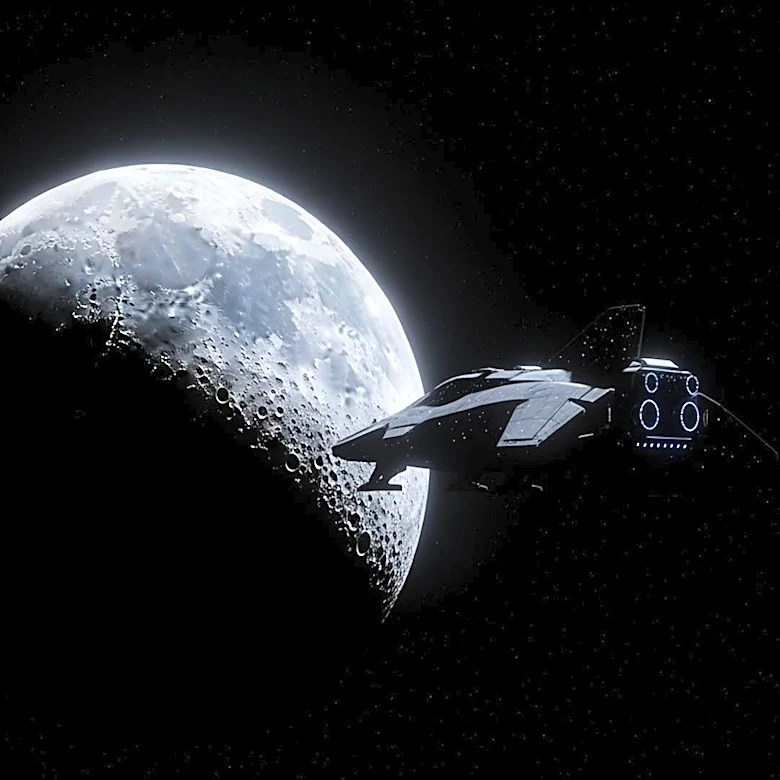
Russia has postponed the launch of three lunar missions, Luna-28, Luna-29, and Luna-30, to the period between 2032 and 2036. This decision comes as the United States celebrates a historic flight around the moon, marking a significant achievement in space
exploration. The delay in Russia's lunar program follows previous postponements and the crash of its Luna-25 craft in 2023. The Russian Academy of Sciences Vice President Sergei Chernyshev announced the postponement, highlighting the strategic importance of lunar exploration for Russia. Despite its historical achievements in space, Russia's program has faced challenges, falling behind the U.S. and China.
Why It's Important?
The postponement of Russia's lunar missions reflects the challenges faced by its space program, which has struggled to maintain its former prominence. The delay could impact Russia's ability to compete in the global space race, particularly against the U.S. and China, who are advancing their lunar exploration efforts. The U.S.'s recent success with the Artemis II mission underscores its leadership in space exploration, potentially influencing international collaborations and investments in space technology. Russia's setbacks may affect its strategic goals of developing lunar resources, highlighting the competitive nature of space exploration.