







What's Happening?
KY3 Chief Meteorologist Ron Hearst is set to retire on Friday from the First Alert Weather team, concluding an extensive career as a weatherman in the Ozarks. Hearst joined the Springfield station, KY3, in 1993, following several years at KSPR earlier
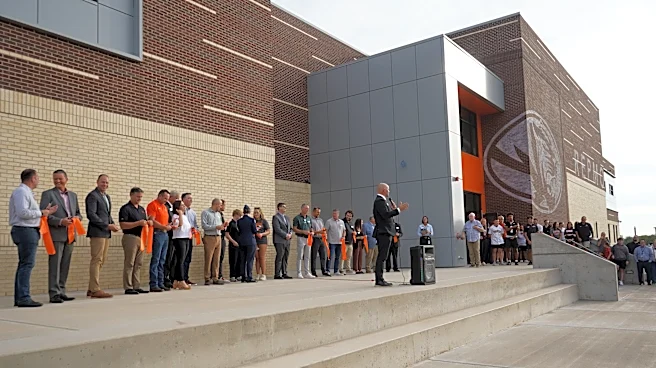
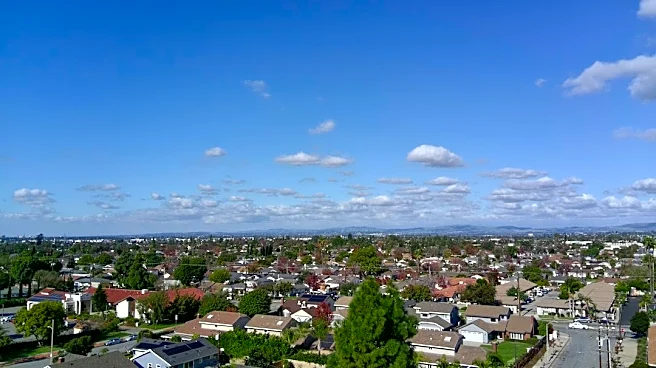
in his career. He is widely recognized throughout the Ozarks for his detailed knowledge of the local geography, which enabled him to precisely pinpoint storm locations using familiar landmarks such as buildings, schools, individual homes, or even specific trees. More recently, Hearst has been a prominent figure in the KY3 First Alert Weather tour, which has visited numerous towns across the Ozarks, further solidifying his connection with the community he served. His retirement marks the end of a significant era for local weather reporting in the region.
Why It's Important?
Ron Hearst's retirement is significant for the Ozarks community, as he has been a consistent and trusted source of weather information for decades. His unique ability to use local landmarks to describe weather patterns fostered a strong sense of connection and reliability with viewers, making complex meteorological data accessible and relevant to their daily lives. This approach not only enhanced public understanding of severe weather but also built a deep rapport between the meteorologist and the community. His long tenure at KY3, coupled with his earlier work at KSPR, means he has been a constant presence through numerous weather events, guiding residents through storms and providing crucial forecasts. His departure will leave a void in local broadcasting, as his personalized style of weather reporting has become a hallmark of the region's news coverage.
What's Next?
Following Ron Hearst's retirement, KY3 will likely need to address the transition in its First Alert Weather team leadership. The station will face the challenge of maintaining the high level of trust and community engagement that Hearst cultivated over his career. Viewers will be watching to see how the station plans to fill this role and whether the new meteorologist will be able to connect with the Ozarks community in a similar, personalized manner. The station may also continue its First Alert Weather tour, a popular initiative that Hearst spearheaded, to ensure continued community outreach and engagement. The focus will be on ensuring a smooth transition while upholding the quality and local relevance of weather reporting that Hearst exemplified.
Beyond the Headlines
Ron Hearst's career highlights a broader trend in local news: the importance of community-specific knowledge and personalized communication in building trust. In an era of increasingly nationalized and digital news, Hearst's method of using local landmarks to explain weather phenomena underscores the value of deep regional understanding. This approach goes beyond mere data reporting; it creates a sense of shared experience and mutual understanding between the broadcaster and the audience. His retirement could prompt discussions within local media about how to cultivate and retain talent that possesses such intimate knowledge of their service areas, especially as younger generations of meteorologists enter the field. It also serves as a reminder of the enduring impact that dedicated local figures can have on community resilience and preparedness, particularly in regions prone to severe weather.