




What's Happening?
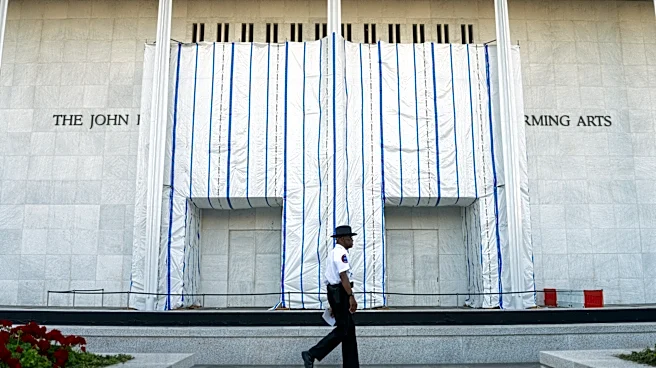
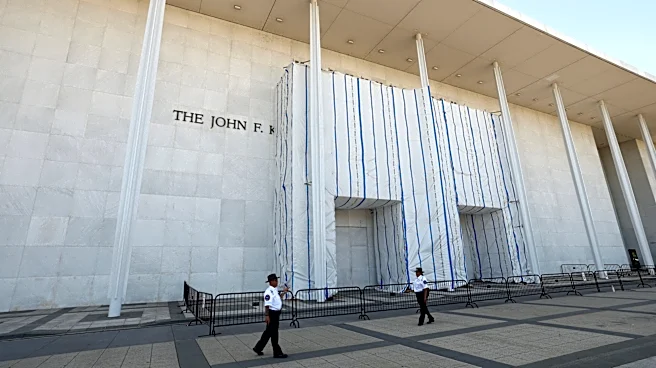
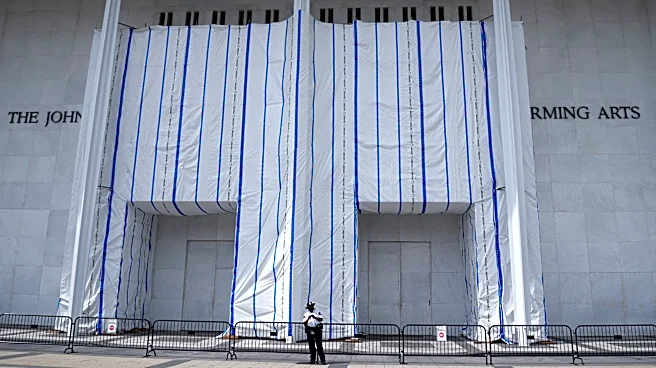
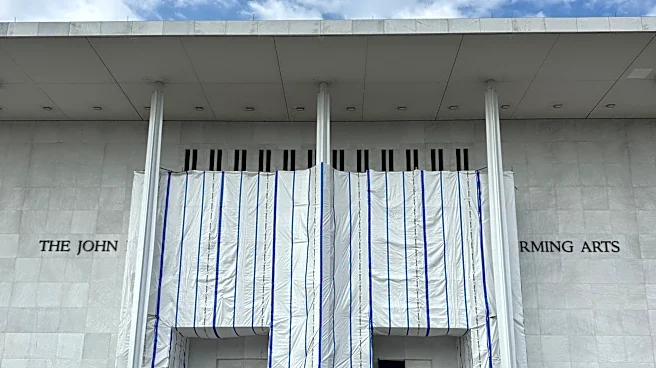
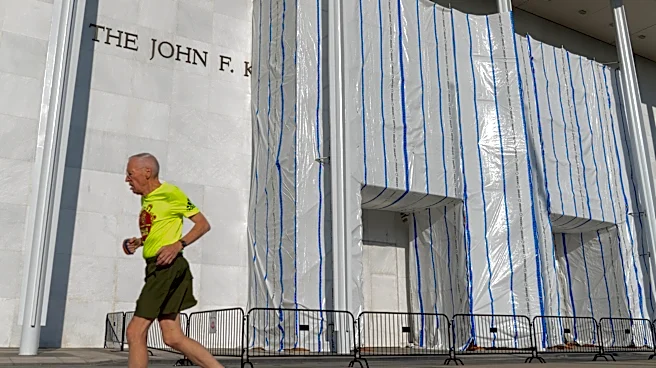
The John F. Kennedy Center for the Performing Arts in Washington D.C. is at the center of a legal and political dispute involving President Trump's administration. President Trump has expressed a desire to add his name to the Kennedy Center and has threatened
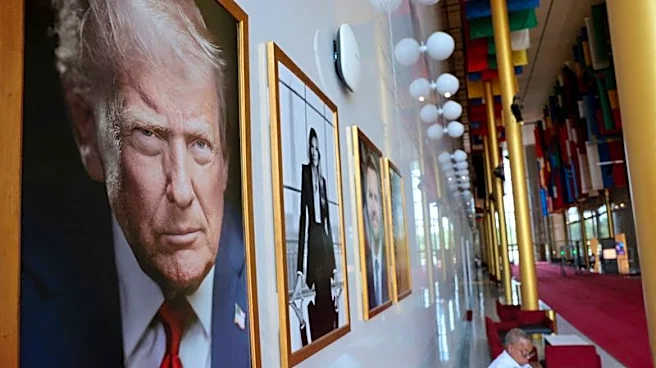
its closure or demolition if his demands are not met. This follows his administration's takeover of the facility in February 2025, during which Deborah Rutter, the center's president, was replaced by Ric Grenell, a Trump loyalist. Programming perceived as 'woke,' including anti-racism initiatives and certain performances, was purged, leading to a significant decline in audiences, performers, and philanthropists. A federal judge, Christopher Cooper, has repeatedly ruled that only Congress has the authority to rename the memorial, preventing President Trump from adding his name to the facade. Despite these rulings, the Trump-appointed board voted to close the facility for two years, citing the need for $257 million in repairs, a move that Democratic lawmakers allege is a pretext to hide financial difficulties caused by the administration's actions.
Why It's Important?
This situation highlights a significant conflict between the executive branch and established cultural institutions, raising concerns about the independence of national arts organizations and the potential for political interference in their operations. The alleged attempts to rename and potentially demolish the Kennedy Center, a living memorial to President John F. Kennedy, could set a precedent for how future administrations interact with and potentially control national cultural landmarks. The reported decline in audience and philanthropic support, coupled with staff layoffs, indicates a severe impact on the center's financial stability and its ability to fulfill its mission of promoting arts and culture. This dispute also underscores the broader debate about the role of government in supporting and preserving cultural heritage, and the potential for political motivations to undermine artistic freedom and institutional integrity.
What's Next?
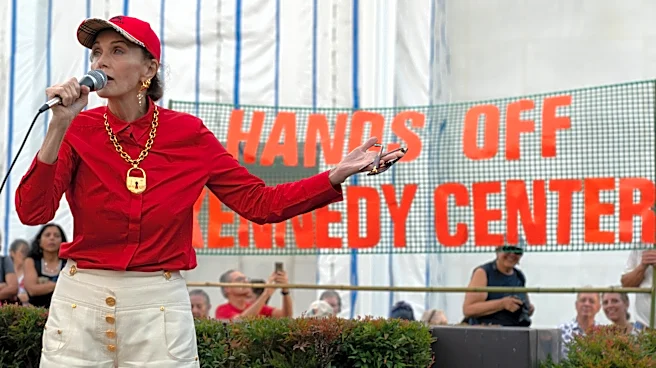
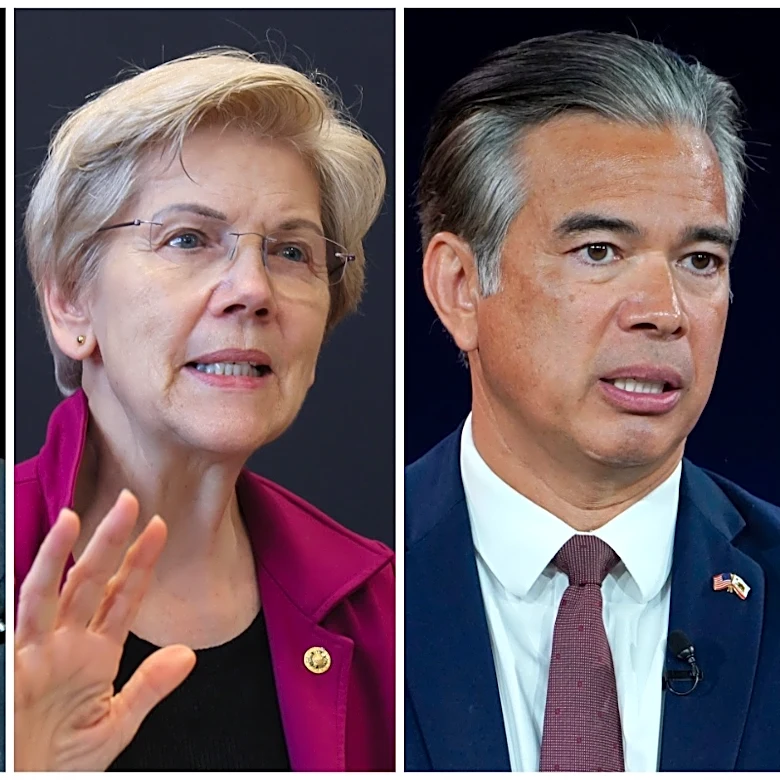
The legal battle is expected to intensify, with Judge Cooper having already issued an order requiring 30 days' notice before any major physical changes, including demolition, can be made to the Kennedy Center. Democratic lawmakers, such as Congresswoman Joyce Beatty and Senator Sheldon Whitehouse, are alleging that the two-year closure is a 'pretext' and may pursue further action to investigate the financial state of the center and the motivations behind the administration's decisions. The 'Hands Off the Arts' movement is mobilizing grassroots resistance, indicating continued public opposition to President Trump's actions. The long-term future of the Kennedy Center remains uncertain, with experts warning that even a temporary closure could have lasting negative effects on its ability to attract audiences, donors, and staff, making a return to its former prominence challenging.
Beyond the Headlines
The conflict surrounding the Kennedy Center extends beyond a simple naming dispute; it touches upon fundamental questions of institutional independence, artistic freedom, and the preservation of national memory. Critics view the administration's actions as part of a broader assault on institutions and freedom of expression, suggesting a pattern of behavior aimed at asserting political control over cultural narratives. The ethical implications of replacing experienced arts management with political loyalists and purging programming based on ideological grounds raise concerns about censorship and the politicization of art. This situation could trigger a long-term shift in how cultural institutions are governed and protected from political influence, potentially leading to increased legislative efforts to safeguard their autonomy and funding. The public's reaction and the ongoing legal challenges will be crucial in determining the ultimate fate of the Kennedy Center and its role as a symbol of American arts and culture.