






What's Happening?
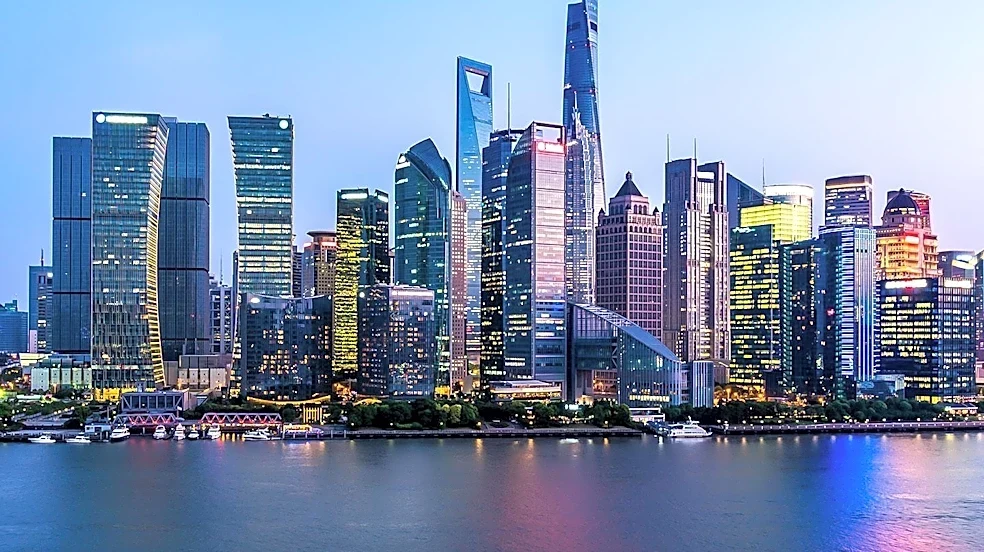
Shanghai, China's largest city, serves as a global economic and financial hotspot, divided by the Huangpu River into two distinct districts: Pudong and Puxi. Pudong is recognized as the financial hub, characterized by its skyscrapers and modern infrastructure,
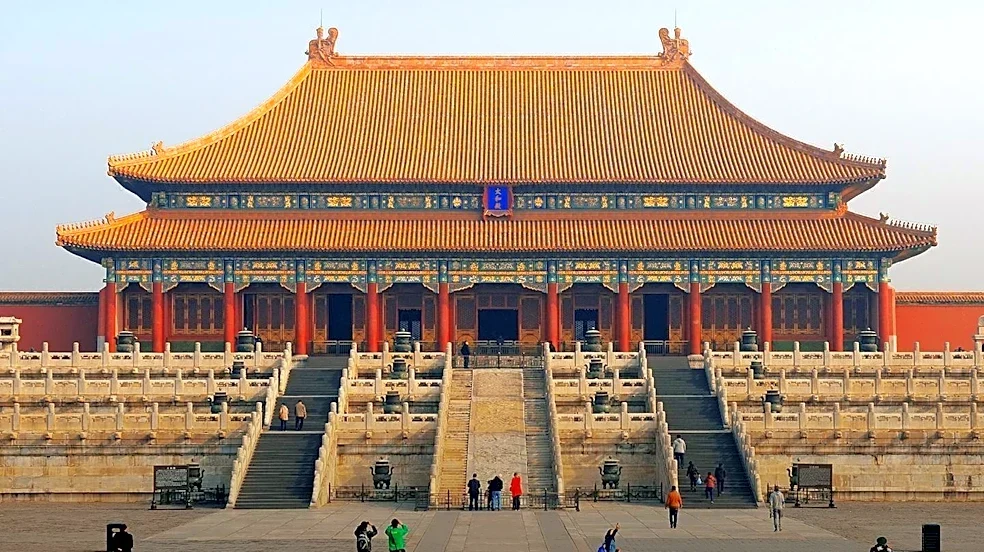
including the Shanghai Tower, China's tallest building. Puxi, on the other hand, functions as the city's cultural, historical, and entertainment center, offering attractions like the Yùyuán Gardens and the Old Town, which preserves the city's traditional heritage. The city provides a unique blend of historical sites and futuristic developments, allowing visitors to experience different facets of China simultaneously. Shanghai operates on China Standard Time (CST, UTC+8) year-round and does not observe Daylight Saving Time. The autumn season is considered the most favorable time to visit due to mild temperatures and minimal rainfall.
Why It's Important?
Shanghai's dual role as a financial powerhouse and a cultural repository makes it a critical nexus for both global business and tourism. Its economic significance, highlighted by the Pudong district, attracts international investment and serves as a key driver of China's economy, impacting global financial markets. The city's cultural offerings in Puxi, including historical gardens and traditional architecture, draw tourists worldwide, contributing to the global tourism industry and fostering cultural exchange. The efficient public transportation system, primarily metro and taxis, facilitates movement within the city, enhancing its accessibility for both residents and visitors. The local custom of strictly prohibiting tipping in restaurants reflects a unique cultural norm that international visitors should be aware of, influencing service industry practices within the city.
What's Next?
As Shanghai continues to develop, its role as a global economic and cultural center is expected to expand. Ongoing urban development projects in Pudong will likely further solidify its status as a financial hub, potentially attracting more international corporations and investments. In Puxi, efforts to preserve and promote historical sites like the Yùyuán Gardens and the Old Town will continue to draw tourists, ensuring the city maintains its cultural appeal. The city's infrastructure, particularly its metro system, will likely see further enhancements to accommodate growing populations and tourist numbers. Future tourism initiatives may focus on promoting Shanghai's unique blend of modernity and tradition, encouraging longer stays and deeper engagement with its diverse offerings. The consistent time zone without Daylight Saving Time simplifies international business and travel planning.
Beyond the Headlines
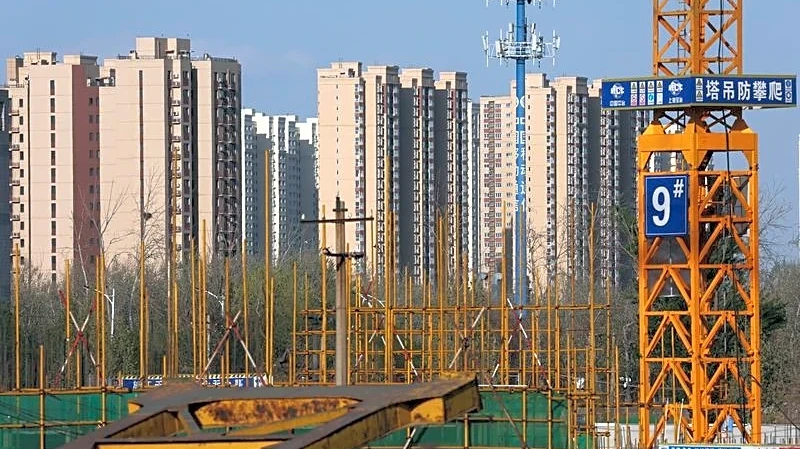
Shanghai's rapid modernization, particularly in Pudong, presents a fascinating case study in urban development and economic transformation, showcasing how a city can rapidly evolve into a global financial center. Concurrently, the preservation of historical areas in Puxi highlights a delicate balance between progress and heritage, offering insights into how traditional culture can coexist and thrive amidst rapid change. The city's strict no-tipping policy, while seemingly minor, reflects broader cultural values regarding service and compensation in China, contrasting with norms in many Western countries. This cultural nuance can influence international business interactions and tourism experiences, prompting a deeper understanding of local customs. Shanghai's ability to seamlessly integrate its past, present, and future offers a compelling model for other global cities navigating similar developmental challenges.