
What's Happening?
President Trump has announced that the United States is set to resume talks with Iran within the next two days. This development comes as Israel and Lebanon engage in historic diplomatic discussions, marking
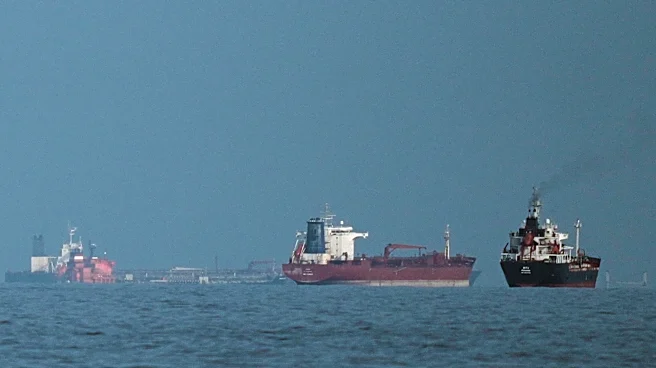
the first direct talks since 1993. The negotiations are complicated by ongoing conflicts involving Hezbollah, an Iranian-backed militia. The U.S. has also completed a blockade of Iranian ports in the Strait of Hormuz, aiming to exert economic pressure on Iran. These actions are part of broader efforts to address regional tensions and seek a resolution to ongoing conflicts.
Why It's Important?
The resumption of talks between the U.S. and Iran is a critical step in addressing longstanding geopolitical tensions in the Middle East. Successful negotiations could lead to a reduction in hostilities and a stabilization of the region, which is vital for global economic stability, particularly in the energy sector. The blockade of Iranian ports highlights the strategic use of economic pressure in diplomatic efforts. However, the potential for escalation remains, as Iran's demands and regional alliances complicate the path to peace. The outcome of these talks could significantly impact U.S. foreign policy and international relations.
What's Next?
As talks resume, the international community will closely monitor the negotiations for signs of progress or further conflict. Key stakeholders, including regional powers and global economic players, will likely react to developments, influencing diplomatic and economic strategies. The U.S. may face pressure to balance its approach between diplomatic engagement and maintaining strategic alliances in the region. The success or failure of these talks could set a precedent for future diplomatic efforts in the Middle East.