





What's Happening?
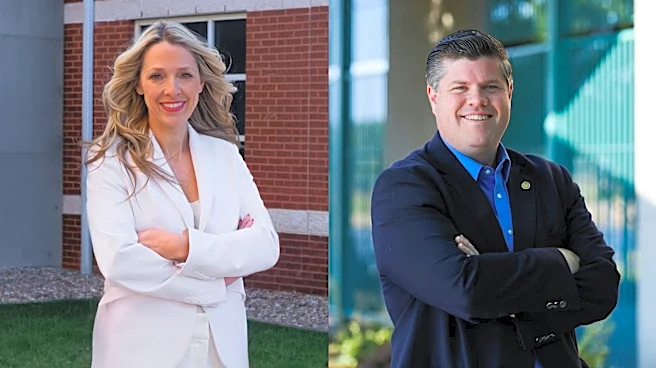
State Representative Bill Hardwick has won the Republican nomination for Missouri's 16th District Senate seat, defeating fellow GOP candidates Don Mayhew and former Representative Hannah Kelly. Hardwick secured 43% of the vote, while Kelly and Mayhew garnered
31% and 22%, respectively. The district, which includes Phelps and Pulaski counties, is predominantly Republican, suggesting a strong likelihood of Hardwick winning the seat in the upcoming general election. The seat became available as the incumbent, Justin Brown, reached his term limit. The primary race was marked by significant campaign activity, including attack ads focusing on Hardwick's stance on the legalization of video lottery terminals, a position he defended publicly. Hardwick will face Democrat Virginia Staabs in the November election, who ran unopposed for her party's nomination.
Why It's Important?
The outcome of this primary is significant as it highlights the political dynamics within Missouri's Republican Party, particularly regarding contentious issues like the legalization of video lottery terminals. Hardwick's victory suggests a preference among Republican voters for candidates who support certain gambling expansions, which could influence future legislative priorities in the state. Additionally, the solid Republican leaning of the district means that Hardwick's policies and legislative agenda are likely to shape the region's political landscape. This election also underscores the impact of term limits in Missouri, as it opens opportunities for new political figures to emerge and potentially shift the focus of the state's legislative body.
What's Next?
As the general election approaches, Hardwick will prepare to face Virginia Staabs, the Democratic candidate. Given the district's Republican majority, Hardwick is favored to win, but the campaign will likely continue to address key issues such as gambling legislation and other local concerns. The election results could also influence the broader political strategy of Missouri's Republican Party, particularly in how they address gambling and other economic issues. Stakeholders, including local businesses and community groups, will be watching closely to see how these political developments might affect regional policies and economic opportunities.