





What's Happening?
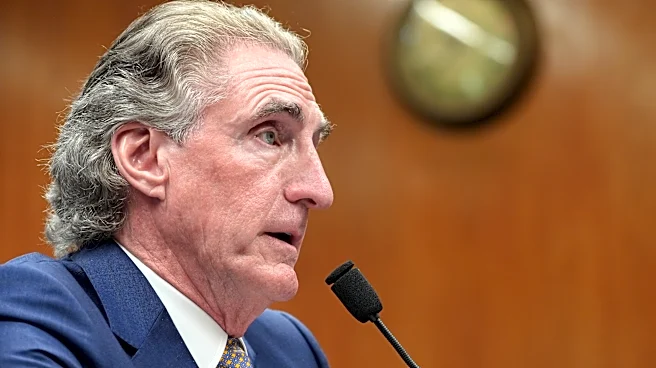
The Department of Education's Office for Civil Rights is facing a significant backlog of discrimination complaints following substantial staffing cuts. Secretary Linda McMahon testified that the department is now working to hire more personnel to address
the issue. The layoffs, which occurred in 2025, resulted in the department resolving 30% fewer complaints compared to the previous year, with fewer than 1% of investigations reaching resolution agreements. The cuts were part of broader plans under the Trump administration to reduce the department's size and shift responsibilities to other federal agencies. A federal judge blocked the mass layoffs, leading to employees being placed on paid administrative leave. The backlog has left approximately 12,000 unresolved cases, with some states seeing no resolutions in 2025. McMahon acknowledged the impact of the layoffs and stated that the department is reversing course by rescinding layoffs and hiring more civil rights attorneys.
Why It's Important?
The backlog of discrimination complaints at the Department of Education highlights the challenges of managing civil rights enforcement amid staffing reductions. The inability to process complaints efficiently can have significant implications for students and educational institutions, potentially allowing discriminatory practices to persist unaddressed. The situation underscores the importance of adequate staffing in federal agencies tasked with protecting civil rights. The reversal of layoffs and renewed hiring efforts indicate a recognition of the need to restore the department's capacity to fulfill its mandate. This development may influence future policy decisions regarding the size and scope of federal agencies, particularly those involved in civil rights enforcement.
What's Next?
The Department of Education is actively working to resolve the backlog by hiring back laid-off employees and recruiting additional civil rights attorneys. Secretary McMahon has emphasized the department's commitment to clearing the backlog and improving case processing times. The department's efforts to rebuild its workforce will be closely monitored by lawmakers and civil rights advocates. The outcome of these efforts could impact the department's ability to effectively address discrimination complaints and may influence broader discussions about the role and structure of federal agencies in safeguarding civil rights.