

What's Happening?
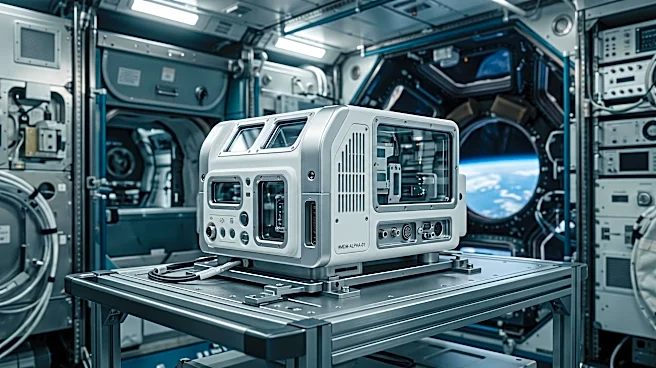
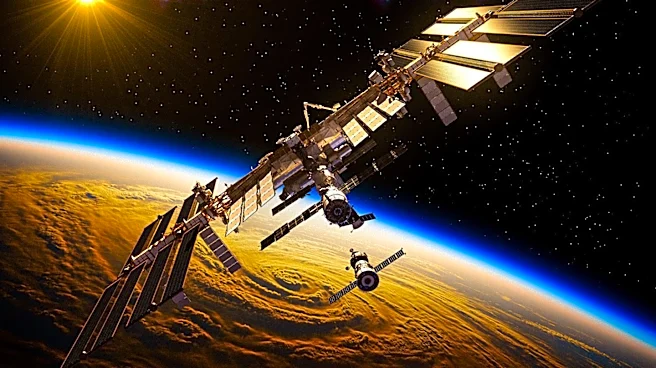
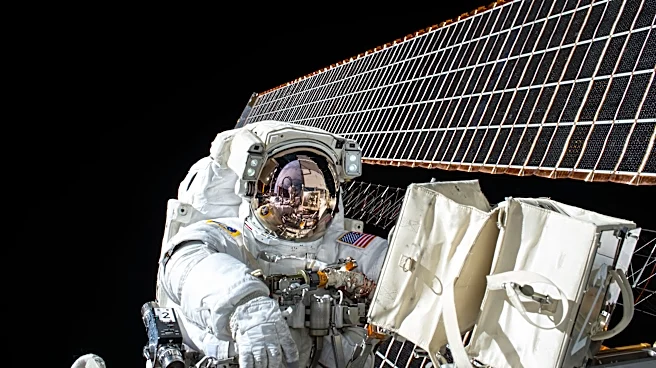
NASA astronauts aboard the International Space Station (ISS) are engaged in a busy schedule of scientific research, physical training, and critical spacecraft maintenance. NASA astronaut Anil Menon has been servicing sample processing hardware for pharmaceutical
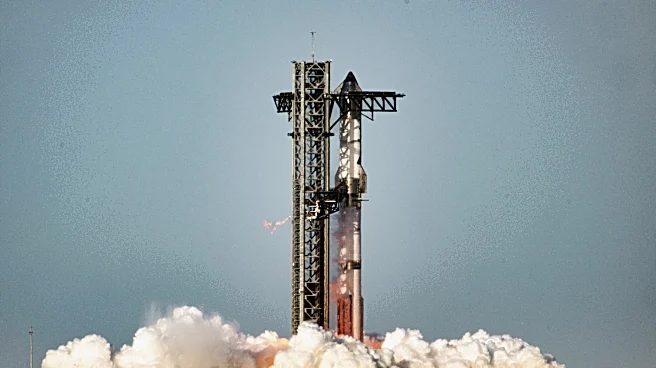
and microbiology research in the Kibo laboratory module and familiarizing himself with Astrobee robotic assistants. Flight engineers Jessica Watkins and Luke Delaney are conducting whole-body strength training on the advanced resistive exercise device (ARED) to study microgravity's effects on the human body, and Watkins is also performing cognitive ability tests. Delaney and Menon participated in spacesuit maintenance, installing a battery adapter and cleaning cooling systems in the Quest airlock. The crew is also preparing for upcoming cargo missions, with a SpaceX Dragon spacecraft scheduled to depart on November 20, returning scientific samples including 3D bioprinted blood vessels and antibiotic-resistant bacteria. A Northrop Grumman Cygnus XL spacecraft is slated to launch around November 29, delivering approximately 11,000 pounds of new science investigations and supplies to the Expedition 75 crew.
Why It's Important?
The ongoing research and maintenance activities on the ISS are crucial for advancing scientific understanding in various fields, including human physiology in space, microbiology, and materials science. The pharmaceutical and microbiology research could lead to breakthroughs in medicine and understanding how microorganisms behave in microgravity, which has implications for long-duration space travel and Earth-based applications. The studies on astronaut strength and cognitive abilities are vital for ensuring the health and operational effectiveness of crew members on future missions, particularly for extended stays on the Moon and Mars. The continuous cycle of cargo missions, both departing and arriving, underscores the ISS's role as a critical platform for scientific experimentation and technological development, enabling the return of valuable samples for analysis on Earth and the delivery of new equipment to sustain ongoing research efforts. These activities directly support NASA's broader goals of deep space exploration and establishing a sustained human presence beyond Earth.
What's Next?
In the immediate future, the SpaceX Dragon spacecraft will depart the ISS on November 20, returning critical scientific samples and equipment for analysis on Earth. This will be followed by the launch of a Northrop Grumman Cygnus XL spacecraft around November 29, which will resupply the Expedition 75 crew with new scientific investigations and essential supplies. The ongoing research, including studies on microgravity's effects on the human body and advanced microbiology experiments, will continue to yield data that will be analyzed by scientists globally. The insights gained from these experiments will inform future space mission planning, astronaut health protocols, and the development of new technologies for space exploration. The continuous operation and maintenance of the ISS will remain a priority, ensuring its capability to support long-term scientific endeavors and serve as a testbed for technologies required for lunar and Martian missions.
Beyond the Headlines
The extensive scientific work on the ISS, particularly in microbiology and pharmaceutical research, has implications that extend beyond space exploration. Understanding how bacteria behave in microgravity, for instance, could offer new perspectives on antibiotic resistance and drug development on Earth. The development of 3D bioprinted blood vessels in space could accelerate advancements in regenerative medicine. Furthermore, the logistical complexities of managing continuous cargo missions and maintaining a habitable environment in orbit highlight the sophisticated international cooperation and engineering prowess required for sustained human presence in space. The data collected on human adaptation to microgravity is not only essential for future deep-space missions but also contributes to a broader understanding of human physiology, potentially leading to new treatments for conditions like osteoporosis and muscle atrophy on Earth. The ISS serves as a unique laboratory, pushing the boundaries of scientific discovery and technological innovation for the benefit of both space exploration and terrestrial life.