





What's Happening?
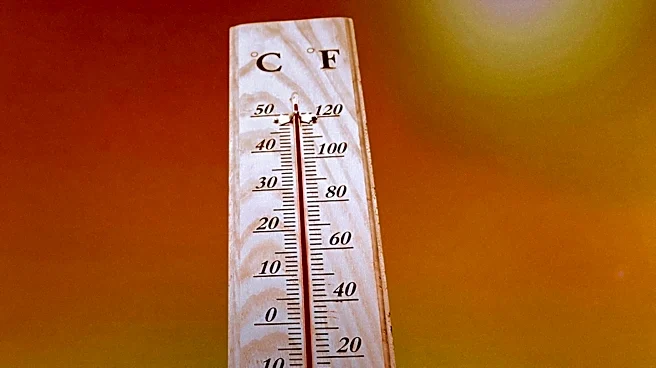
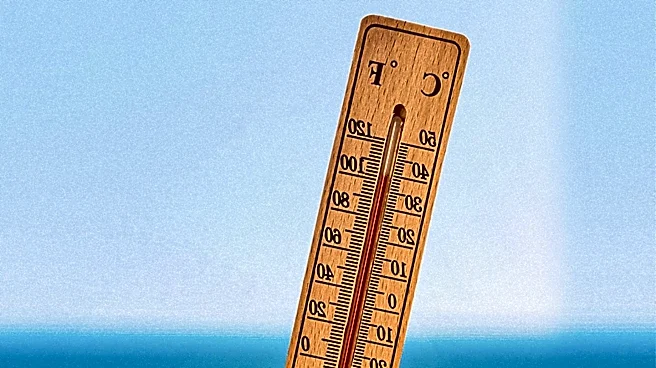
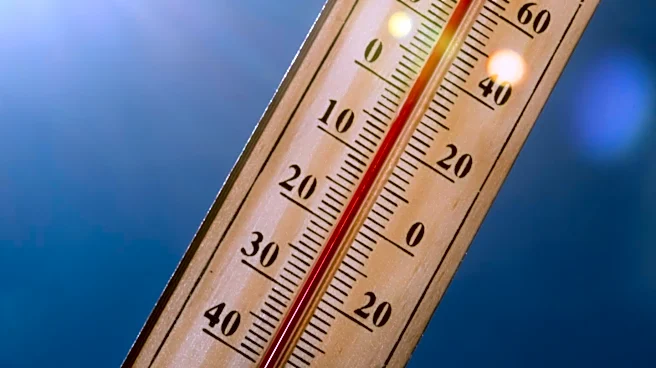
Approximately 100 million Americans are under heat alerts as a heat dome causes extreme temperatures across the western and northeastern United States. Record-breaking temperatures have been reported, with Billings, Montana reaching 111 degrees. The heat wave
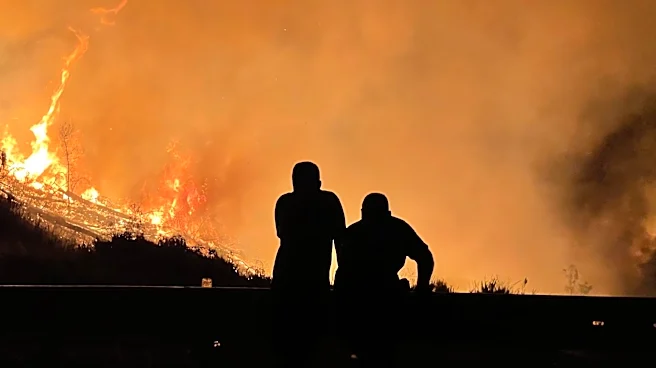
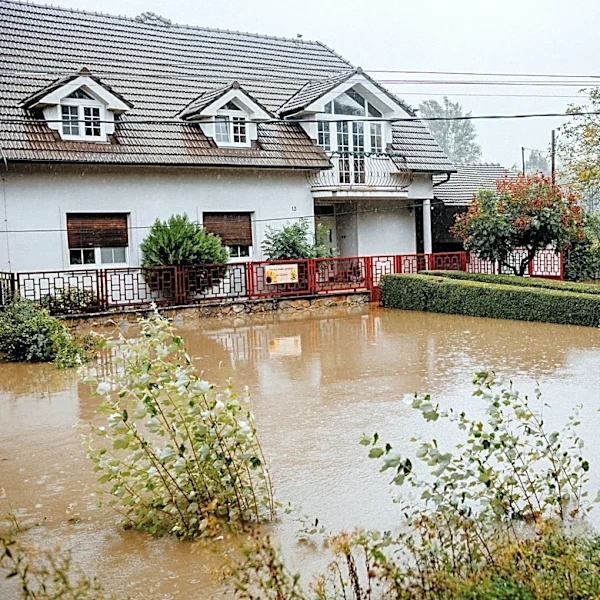
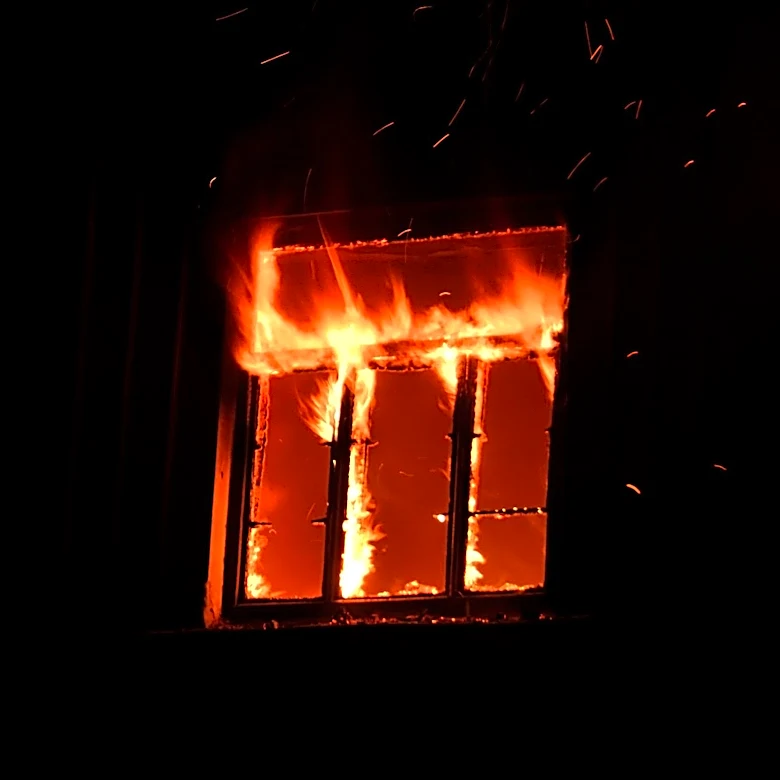
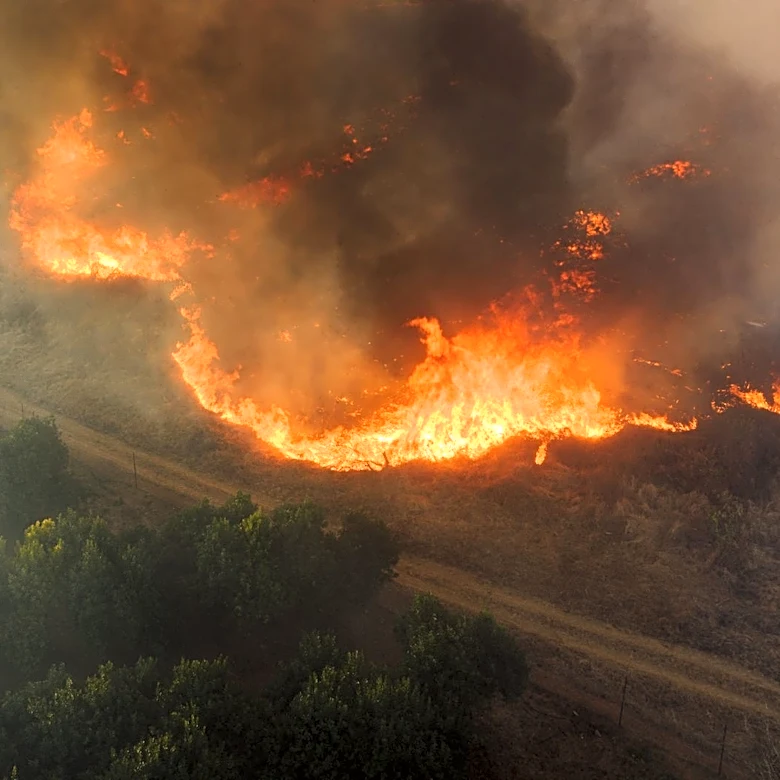
is expected to persist, with temperatures 20 to 30 degrees above average. The National Weather Service has warned of increased risks of heat-related illnesses and wildfires. In addition to the heat, severe weather events, including wildfires in Colorado and flash flooding in Missouri, have compounded the challenges faced by affected communities.
Why It's Important?
The extreme heat poses significant health risks, particularly for vulnerable populations such as the elderly and those with pre-existing health conditions. The situation underscores the broader impacts of climate change, as such weather patterns become more frequent and severe. The heat wave also strains infrastructure and emergency services, highlighting the need for robust disaster preparedness and response strategies. Economic impacts are also likely, with potential disruptions to agriculture, energy consumption spikes, and increased healthcare demands.
What's Next?
The heat wave is expected to continue, with peak temperatures in the Northern Tier and Northeast anticipated in the coming days. Emergency services and local governments are likely to remain on high alert, with potential for further advisories and evacuations in areas at risk of wildfires and flooding. Long-term, the event may prompt discussions on climate resilience and adaptation strategies, as well as investments in infrastructure to better withstand extreme weather events.