






What's Happening?
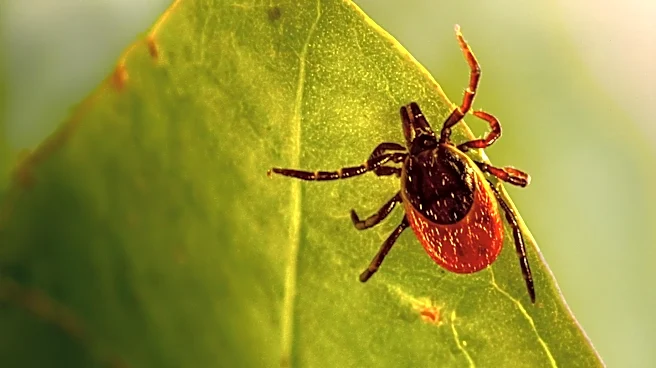
New York State experienced a significant surge in Lyme disease cases last year, with numbers reaching 25,000. The state's health commissioner, during a tour of Long Island's tick center with CBS News New York's Jennifer McLogan, emphasized the escalating
challenge posed by ticks. The commissioner stated that ticks are 'winning' and underscored the critical need for New Yorkers to remain vigilant against tick-borne illnesses. This increase highlights a growing public health concern across the state, particularly in areas known for high tick populations like Long Island. The health department is urging residents to take proactive measures to protect themselves from tick bites and the subsequent risk of Lyme disease.
Why It's Important?
The substantial increase in Lyme disease cases in New York has significant public health implications, impacting individuals, healthcare systems, and the state's economy. Lyme disease, if left untreated, can lead to severe health issues affecting joints, the heart, and the nervous system, resulting in long-term disability and reduced quality of life for those affected. This surge places an added burden on healthcare resources, including diagnostic testing, treatment, and public health campaigns. Economically, the disease can lead to lost productivity due to illness and increased healthcare expenditures. The commissioner's warning signals a need for enhanced public awareness campaigns, improved prevention strategies, and potentially more robust surveillance and control measures to mitigate the spread of ticks and the diseases they carry. The situation underscores the ongoing challenge of managing vector-borne diseases in the U.S. and the importance of individual responsibility in prevention.
What's Next?
Following the health commissioner's warning, it is anticipated that public health officials will intensify efforts to educate New Yorkers on tick bite prevention and early symptom recognition. This may include increased public service announcements, distribution of informational materials, and community outreach programs, especially in high-risk areas. Residents are expected to be advised to take precautions such as wearing protective clothing, using insect repellent, and performing regular tick checks after spending time outdoors. Healthcare providers may also be encouraged to remain vigilant in diagnosing and treating Lyme disease. The state health department might explore further research into tick populations and effective control methods to address the growing threat. Continued monitoring of case numbers will be crucial to assess the effectiveness of these interventions and adapt strategies as needed.
Beyond the Headlines
The escalating Lyme disease cases in New York reflect a broader ecological and environmental shift that extends beyond immediate public health concerns. Factors such as climate change, which can lead to warmer temperatures and extended tick activity seasons, and changes in wildlife populations that host ticks, contribute to the increased prevalence of the disease. This situation highlights the interconnectedness of environmental health and human health, underscoring the need for a holistic approach to public health policy. It also raises questions about land use, suburban development encroaching on natural habitats, and the long-term impact of these changes on disease vectors. Addressing this challenge effectively may require interdisciplinary collaboration involving public health, environmental science, and urban planning to develop sustainable solutions that protect both ecosystems and human well-being.