

What's Happening?
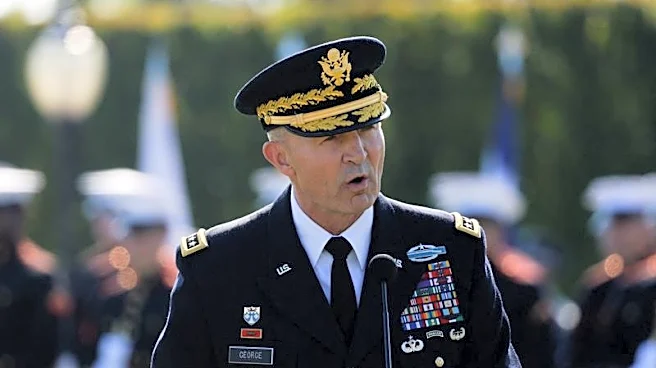
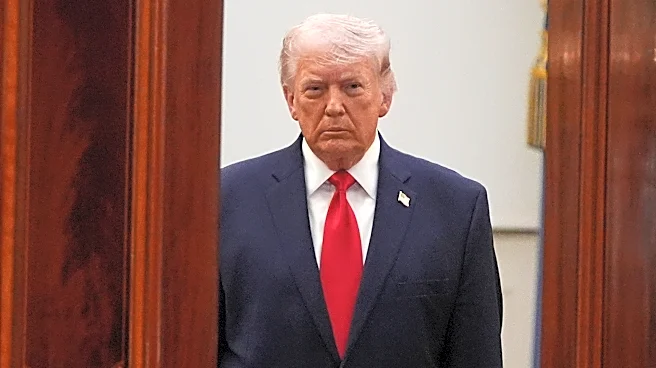
Defense Secretary Pete Hegseth has initiated a significant leadership change within the Pentagon by removing the Army's top general, Gen. Randy George, along with two other senior officers. This decision comes as the U.S. is engaged in an intensifying
conflict with Iran. Gen. George, who has served as the Army's 41st Chief of Staff since 2023, was asked to retire immediately. The shakeup also includes the removal of Gen. David Hodne, head of the Army's Training and Doctrine Command, and Maj. Gen. William Green Jr., the Army's Chief of Chaplains. The Pentagon has not provided a detailed explanation for these changes, which mark one of the most significant wartime leadership adjustments in recent years. Gen. Christopher C. LaNeve is expected to serve as acting Chief of Staff to ensure continuity in operations.
Why It's Important?
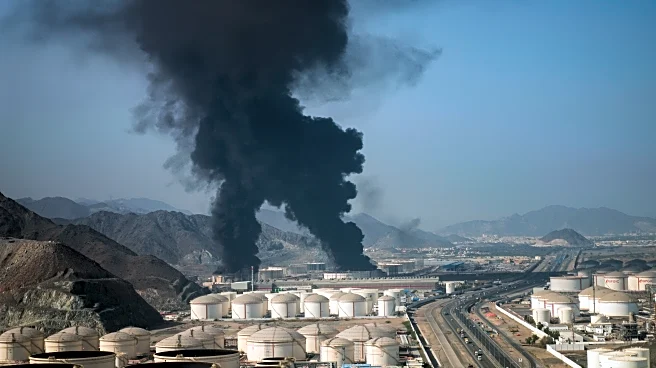
The removal of top military leaders during an active conflict raises questions about the stability and strategic direction of U.S. military operations. The leadership changes could impact the planning and execution of military strategies, as well as coordination with allies. The Strait of Hormuz, a critical shipping lane, is under increased threat, affecting global energy markets and potentially leading to broader economic disruptions. The shakeup reflects Defense Secretary Hegseth's direct approach to military leadership, which has included multiple high-level personnel changes. This could influence the Pentagon's ability to manage the evolving conflict and maintain operational effectiveness.
What's Next?
The immediate future will likely involve congressional scrutiny, particularly from the Armed Services committees, as they assess the implications of these leadership changes. The Pentagon will need to address how these adjustments will affect ongoing military operations and strategic planning. The evolving situation in the Strait of Hormuz and the broader Middle East region will continue to demand attention, with potential impacts on global energy supplies and economic stability. The U.S. military's ability to adapt to these changes will be critical in shaping the trajectory of the conflict.