


What's Happening?
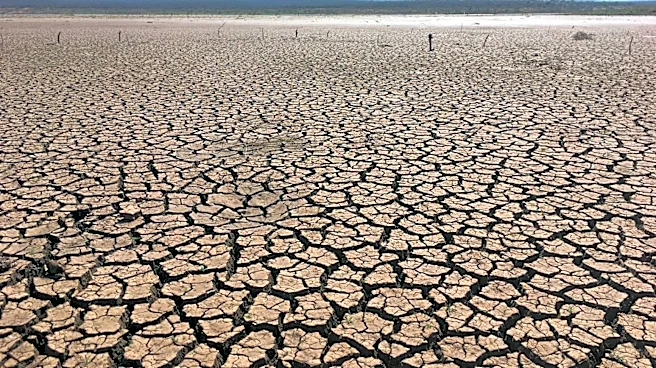
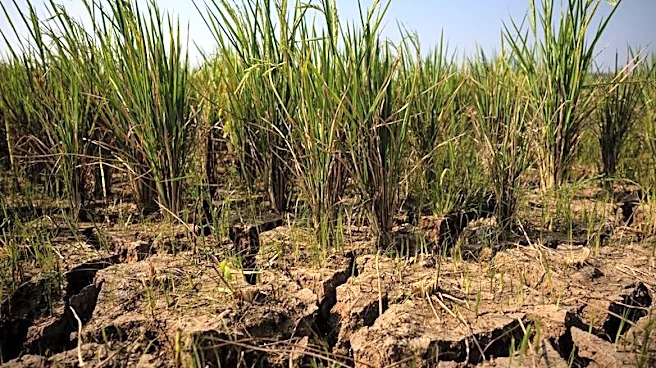
The United Nations World Food Programme (WFP) is ramping up its preparedness and response strategies in anticipation of the El Niño weather pattern, which is expected to exacerbate food insecurity in vulnerable countries through 2027. The WFP's latest
analysis indicates that climate-related shocks from El Niño could push an additional 49 million people into acute food insecurity. The agency is implementing early preparedness measures in collaboration with governments, the Food and Agriculture Organization (FAO), and the United Nations Office for the Coordination of Humanitarian Affairs (OCHA). These measures include anticipatory action plans in over 50 countries, emergency measures, and life-saving assistance through pre-arranged financing mechanisms and disaster risk insurance.
Why It's Important?
The potential impact of El Niño on global food security is significant, with the WFP estimating that the number of people experiencing acute food insecurity could rise from 225 million to 274 million by the end of 2027. This increase poses a severe threat to vulnerable communities, particularly in regions already facing challenges such as conflict, poverty, and economic instability. The WFP's proactive measures aim to mitigate these impacts by preparing communities for climate shocks and reducing future humanitarian costs. The call for increased international support underscores the need for a coordinated global response to strengthen resilience against food security crises.
What's Next?
As El Niño is expected to peak between September and December 2026, the WFP and its partners will continue to implement and expand their anticipatory action plans. The focus will be on providing timely interventions to prevent the deepening of humanitarian needs and to protect livelihoods. The WFP and FAO are urging governments and humanitarian partners to invest in these efforts to safeguard lives and reduce the long-term economic and humanitarian costs associated with climate-related disasters.