






What's Happening?
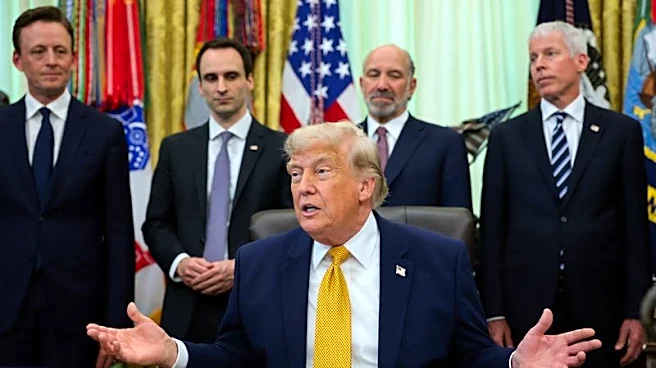
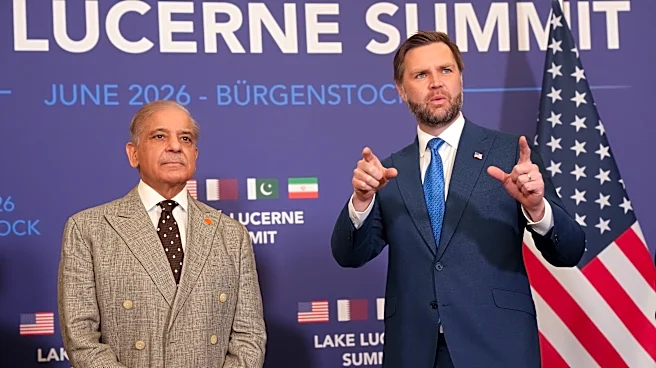
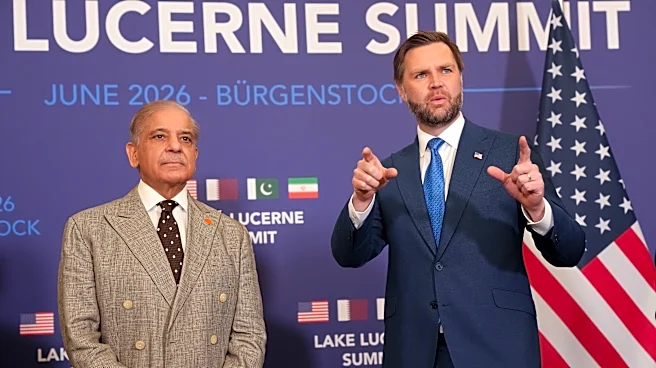
President Trump has signed a memorandum of understanding with Iran that includes significant sanctions relief, a move that contrasts with his previous criticisms of similar policies under former President Obama. The agreement aims to end the conflict
with Tehran by potentially releasing billions in frozen assets and lifting sanctions, despite past assertions by Trump and his administration that such financial concessions would empower a regime they consider a sponsor of terrorism. The deal has sparked debate among Republican senators, some of whom question the concessions made to Iran.
Why It's Important?
The agreement marks a significant shift in U.S. foreign policy towards Iran, potentially altering the geopolitical landscape in the Middle East. By embracing sanctions relief, the Trump administration risks criticism from those who believe it undermines previous efforts to curb Iran's influence. The decision could impact U.S. relations with allies and adversaries, as well as domestic political dynamics, as it challenges the administration's previous stance on Iran and terrorism.
What's Next?
The implementation of the agreement will likely involve further negotiations on Iran's nuclear program and monitoring of financial transactions to ensure compliance. The U.S. administration may face pressure to justify the deal's terms and address concerns from both domestic and international stakeholders. The outcome of these negotiations could influence future U.S. foreign policy and its approach to international agreements.