




What's Happening?
More than 55,000 Sudanese refugees have fled to Chad this year, significantly escalating a humanitarian crisis. The United Nations refugee agency, UNHCR, reported a sharp increase in arrivals, with approximately 400 people crossing into eastern Chad daily,
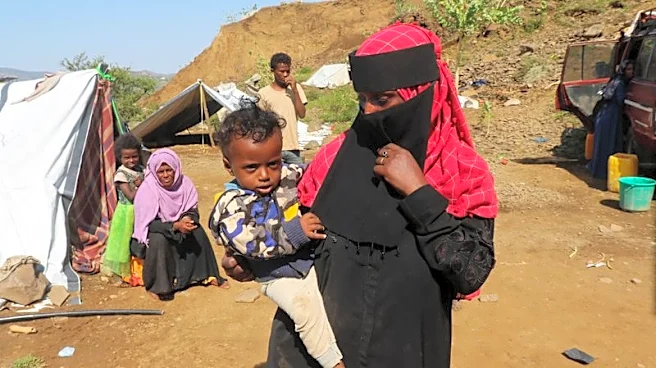
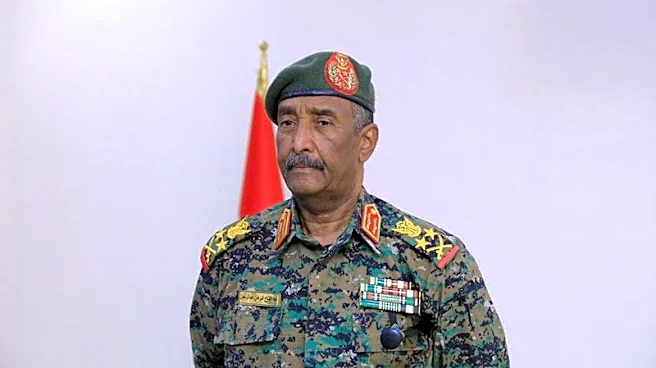
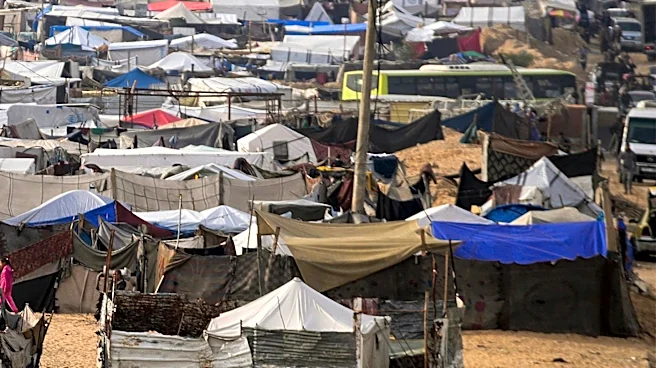
a twenty-fold rise compared to previous months. This influx is straining resources, particularly in transit centers like Tine, which currently hosts over 4,300 individuals in urgent need of shelter, water, sanitation, and protection services. Many refugee families lack adequate shelter and are living on less than half the minimum daily water requirement. The civil war in Sudan, which began in April 2023 between the Sudanese Armed Forces (SAF) and the paramilitary Rapid Support Forces (RSF), has displaced over 11 million Sudanese people, making it the world's largest displacement crisis. Approximately 6.4 million are internally displaced, while over 3.5 million have sought refuge in neighboring countries.
Why It's Important?
The escalating refugee crisis in Chad highlights the severe humanitarian consequences of the ongoing conflict in Sudan. The dramatic increase in daily arrivals underscores the intensifying violence and instability within Sudan, forcing more people to seek safety across borders. This situation places immense pressure on Chad, a country already hosting a significant refugee population and struggling with high poverty rates and food insecurity. The UN's urgent call for funding, with only 20 percent of the required $1.6 billion received, indicates a critical shortfall that could lead to a further deterioration of conditions for vulnerable populations. Without adequate international support, the crisis risks becoming unmanageable, potentially leading to increased suffering, health emergencies, and further regional instability. The warning that more Sudanese refugees may undertake perilous journeys to Europe also points to broader international implications if the funding gap is not addressed.
What's Next?
The immediate focus is on securing the remaining $1.28 billion in funding requested by the UN to address the humanitarian needs of Sudanese refugees in Chad and other neighboring countries. Without this funding, the UN warns that the dire situation will worsen, potentially leading to more refugees attempting dangerous journeys to Europe. International efforts will likely concentrate on coordinating aid delivery, establishing more robust infrastructure for refugee reception, and providing essential services such as shelter, water, and sanitation. There will also be continued pressure on the international community to engage in diplomatic efforts to de-escalate the conflict in Sudan, as a lasting solution to the refugee crisis ultimately depends on achieving peace and stability within Sudan itself. Monitoring the flow of refugees and ensuring their protection will remain a critical task for humanitarian organizations.
Beyond the Headlines
The Sudanese refugee crisis in Chad exposes the profound and long-lasting impact of internal conflicts on regional stability and global humanitarian efforts. Beyond the immediate needs for aid, the displacement of millions of people creates complex challenges related to social integration, economic strain on host communities, and potential for increased human trafficking and exploitation. The significant underfunding of the UN's appeal highlights a broader issue of donor fatigue and competing global crises, which can leave vulnerable populations without adequate support. The warning about increased migration to Europe underscores the interconnectedness of global events, where regional conflicts can trigger wider international migration patterns and political debates. Addressing this crisis requires not only humanitarian aid but also sustained diplomatic engagement, conflict resolution, and long-term development strategies to prevent future displacements and support the eventual return and reintegration of refugees.