





What's Happening?
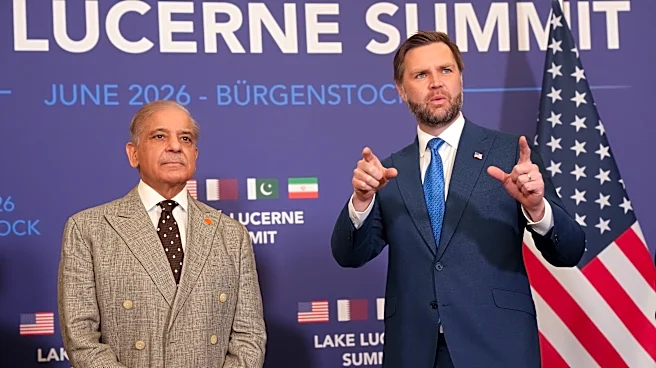
Prime Minister Benjamin Netanyahu's reliance on President Trump for Israel's Iran strategy has led to diplomatic isolation and challenges. Netanyahu's approach, which involved aligning closely with Trump and alienating other international partners, has backfired
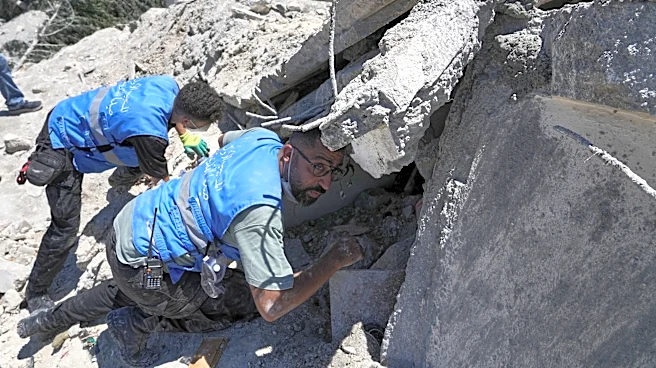
as the US president pursues a deal with Iran. This agreement, perceived as a surrender by some, includes a ceasefire in Lebanon while Hezbollah remains active. The situation has strained US-Israel relations and left Israel searching for ways to mitigate the damage.
Why It's Important?
The strategic missteps have significant implications for Israel's foreign policy and security. Netanyahu's gamble on Trump has weakened Israel's diplomatic standing and exposed vulnerabilities in its approach to regional threats. The situation underscores the importance of maintaining diverse international alliances and the risks of over-reliance on a single partner. The fallout from the US-Iran deal could affect Israel's security posture and its ability to address threats from Hezbollah and Iran.
What's Next?
Israel faces pressure to recalibrate its foreign policy and engage in broader diplomatic efforts. Netanyahu may need to rebuild relationships with other international partners, particularly in Europe, to strengthen Israel's position. Domestically, there may be calls for a reassessment of Netanyahu's leadership and strategy, especially as the country navigates the challenges posed by the US-Iran agreement and regional tensions.